Preserve the Roots. Upgrade the Ride.
- Kryssie Thomson

- Mar 17
- 5 min read
There’s a specific kind of pride that comes with a century-old fair. It’s in the weathered wood of the exhibit hall and the way the dust settles on the trophies.
But there’s also a specific kind of pain—the kind that hits when that legacy starts feeling more like a weight than a foundation.
If you’ve ever felt like your fair’s history is holding its future hostage, you’re not alone.
You’ve got the Heritage Guard protecting the roots.
And the System Seekers trying to upgrade the ride.
The tension is real. But here’s the secret: the goal isn’t to choose a side. It’s to bridge them so the fair survives both.
Because when you don’t bridge that gap, you don’t get “healthy debate.”
You get burnout.
You get quiet resentment.
And you get a slow leak of good people until the fair is being held together by two volunteers, a dusty binder, and optimism.
The Difference Between the Mission and the Method
This is where most fair boards get stuck in the mud. We confuse the tradition with the tool we use to deliver it.
Think of it like this: The WHAT is the non-negotiable heart of your fair. It’s the community gathering under the lights, the pride of a kid showing their first calf, the scent of mini-donuts, and the showcase of local agriculture. That is the legacy. That is what we protect at all costs.
The HOW, however, is just the method. It’s the clipboard, the paper entry form, the cash-only gate, and the way you track sponsors. These aren’t traditions; they are just how you’ve been getting the job done.
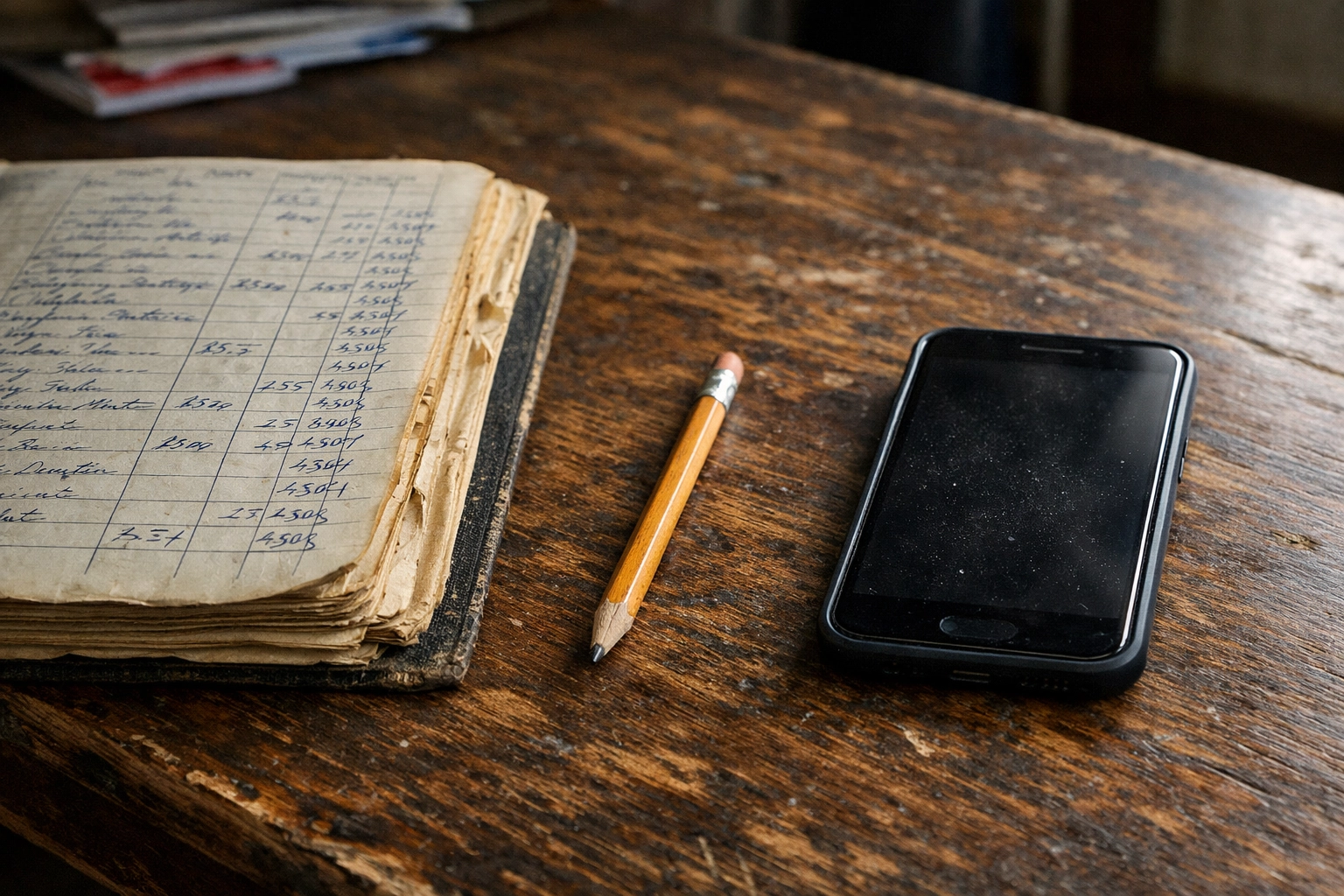
When you suggest moving to online entries, you aren't changing the tradition of the exhibit hall. You’re just changing how the paperwork gets to the office. You aren't changing the destination; you’re just upgrading the ride.
If you can explain that to your board, that the mission is sacred but the methods are flexible, the defenses start to drop. You can say, “We’re not changing the tradition… we’re changing how we deliver it.” That shift in language changes everything.
Passing the Grandstand Test
One of the biggest mistakes "modernizers" make is coming into a board meeting sounding like they just finished a corporate retreat in the city. Using words like "digital transformation," "synergy," or "optimization" is a one-way ticket to being ignored.
If you can’t explain a change over a microphone during the fair, it’s probably the wrong direction.
I call this the Grandstand Test. Imagine you’re standing in the middle of the dirt track, the crowd is buzzing, and you have sixty seconds to explain why things are different this year.
Wrong: “We are implementing a cloud-based multi-channel ticketing solution to increase our data capture and streamline our gate logistics.”
Right: “We moved entries online so you don't have to stand in line for an hour in the heat like it’s 1998.”
One sounds like corporate nonsense. The other sounds like common sense. When you focus on how a system makes the fair run smoother for the people attending it, your fair starts at the gate and the community will follow your lead.
Stop Selling Innovation and Start Selling Relief
Nobody on a fair board wants to hear about "innovation." They are tired. They are usually volunteers who have worked their day jobs and are now spending their evenings arguing about whether the pie contest needs three judges or four.
If you want to get people on board with a new system, don't sell the tech. Sell the relief.
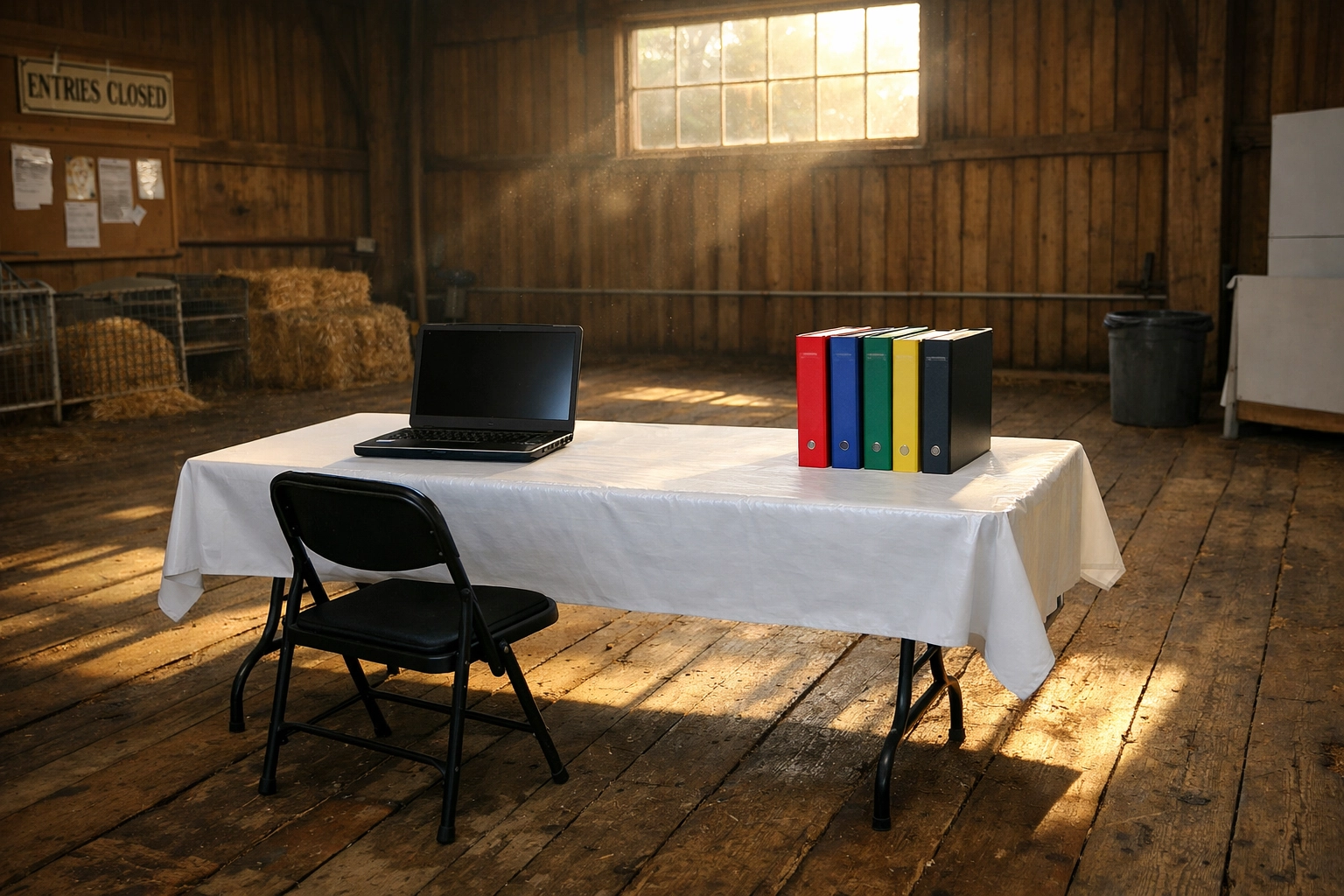
Don't tell them the new software is "cutting edge." Tell them:
“This will save you 10 volunteer hours a week.”
“This means you won’t be chasing paperwork at midnight before the gates open.”
“This finally fixes the same entry-office mess we complain about every single year.”
Fair people don’t resist change. They resist change that feels like extra work. When you show them that a system is actually a tool to get their life back, the conversation moves from "Why should we?" to "How fast can we start?"
We’ve all seen the 7 mistakes you’re making with volunteer burnout. Most of those mistakes come down to holding onto manual processes that drain people dry.
Respecting the Legacy Out Loud
This is the piece that most people bulldoze right over in their rush to "fix" things. You cannot upgrade the ride if you don't respect the roots.
The people who have been running the fair for thirty years didn't do it "the old way" because they were being difficult. They did it that way because it was the best way available at the time, and they are the reason the fair still exists today.
Before you propose a single change, you need to say it out loud: “What you built is the reason we’re even here. This isn’t about replacing what you’ve done. It’s about making sure it keeps going for the next thirty years.”
That one sentence will lower defenses faster than any fancy slide deck. It acknowledges their hard work and positions the "new way" as a way to protect their hard work, not erase it.
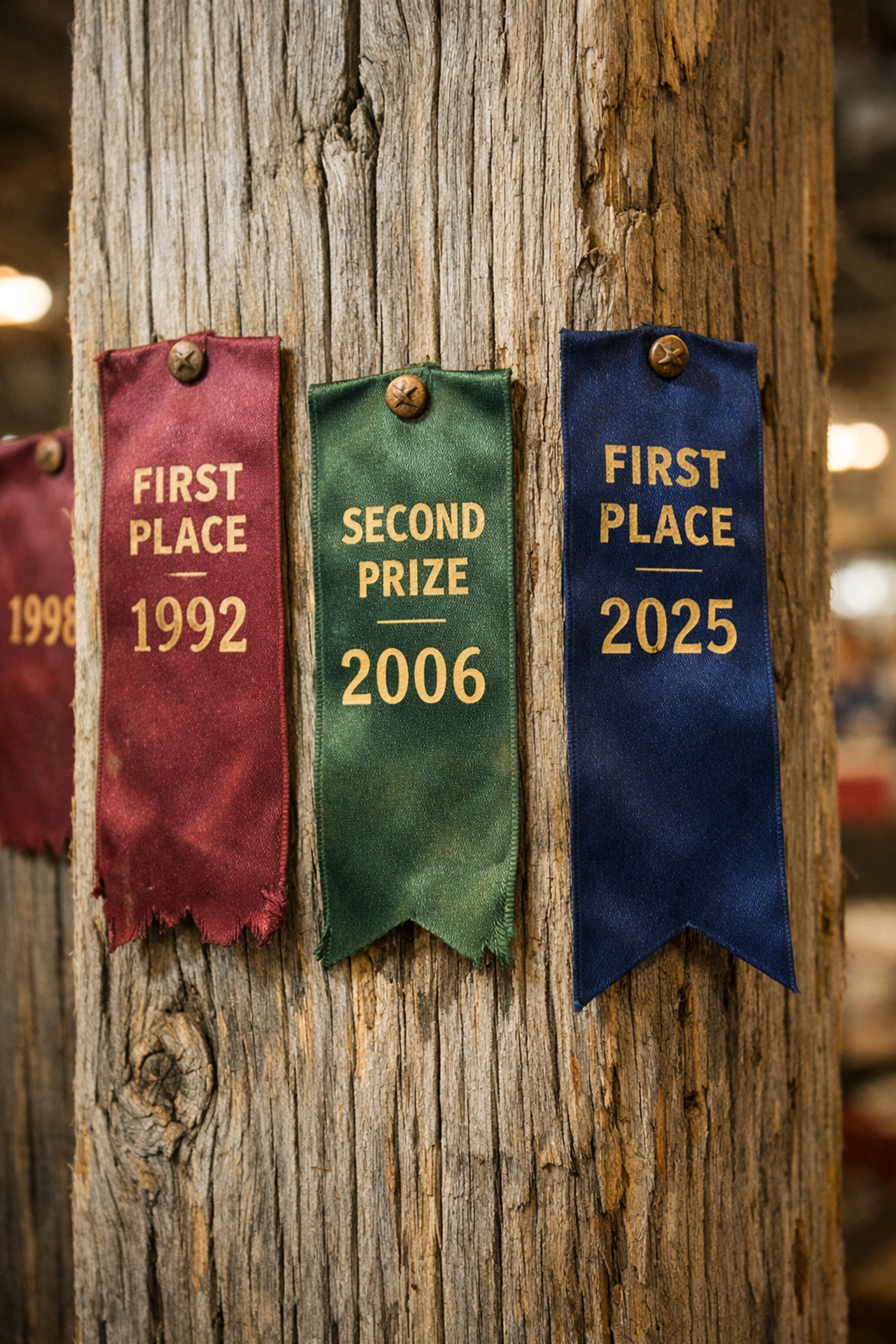
The Hand-Off Mindset vs. Tribal Knowledge
Here is the hard truth: If your fair depends on one or two people knowing where everything is, how everything works, and who to call when the power goes out, you don't have a tradition. You have tribal knowledge that dies when those people leave.
I call this the "Binder Person" syndrome. Every fair has one. They have a physical (or mental) binder of "how we do things." If that person decided to retire tomorrow, the fair would be in an absolute panic.
That is not a sustainable way to run an organization. It’s a massive risk. We need to move toward a
Hand-Off Mindset.
Ask your board: “If someone brand new had to step in next year... could they run this without you?”
If the answer is no, you are essentially holding the fair’s future hostage. Legacy isn’t a secret, and protecting that knowledge is the only way to ensure the ride keeps spinning. This is why operational planning matters more than just a binder on a shelf. You need systems that anyone can step into.
Strengthening the Backbone to Save the Heart
At the end of the day, the relationship between tradition and systems is simple.
Tradition is the heart of the fair. Systems are the backbone.
If the heart stops beating, the fair is dead. But if the backbone is weak, or broken, the heart doesn't get a chance to keep beating. It gets exhausted. It wears out. It stops being fun.
When you spend forty minutes debating napkins in a board meeting, you are ignoring the backbone. When you allow a volunteer to drown in paper entries because "we've always used carbon copies," you are letting the backbone crumble.
You aren't killing the pie contest by moving registrations online. You’re making sure that more people can enter, that your volunteers aren't crying in the office, and that the judging actually starts on time for once.
Same pie. Better process.
We want the fair to feel the same: the same dust, the same ribbons, the same community pride. But we want the "behind the scenes" to feel different. We want it to feel calm. We want it to feel handled.
If your fair still matters to your community, then how it runs needs to catch up with reality. Let’s fix the messy parts without losing what makes it yours.
Ready to start building a stronger backbone for your fair? If you’re tired of the "Tuesday night standoffs" and want to move toward systems that actually work, we should talk. Whether it’s a strategy build or just a quick audit of your current "messy parts," I’m here to help you preserve the roots while we upgrade the ride.
Contact Kryssie Today or email us at Support@fairsystemsthatwork.com.
Comments