7 Mistakes You’re Making with Volunteer Burnout Prevention (and How to Fix Them)

It’s Sunday night of fair week.
You’re standing behind the grandstands, holding a lukewarm coffee and wondering if anyone actually knows where the spare keys to the equipment shed are kept.
Your head of parking hasn’t slept in forty-eight hours, and your treasurer looks like they’re about to cry into a pile of gate receipts.
This isn’t just "fair fatigue."
It’s the sound of a system breaking under the weight of human exhaustion.
Volunteer burnout prevention isn’t a luxury for when you have extra time; it’s the only way your local ag society survives the next decade.
If you’re feeling the squeeze, you’re likely making at least one of these seven mistakes.
1. The "Old Reliable" Death Trap
We all have that one volunteer.
Let’s call them Jim.
Jim knows where every extension cord is buried, has the gate codes memorized, and hasn't missed a work bee since 1994.
Because Jim is so dependable, the board keeps giving him more.
Parking? Jim’s got it. Security? Ask Jim. The "Extension Cord Octopus" in the vendor alley? Jim will untangle it.
The problem is that "Old Reliables" don't usually complain until they quit entirely.
By the time Jim says he’s done, he’s already been burnt out for three years.
When he leaves, he takes thirty years of institutional knowledge with him, leaving the rest of you staring at a locked shed with no key.
The Fix: Force the hand-off before the burnout hits.
Identify your "single points of failure" and pair them with a shadow.
If only one person knows how to do a task, that task is a ticking time bomb.
2. The "You’ll Figure It Out" Orientation
A new volunteer shows up on Tuesday morning, excited to help.
You’re mid-crisis, so you point toward the poultry barn and tell them to "help out over there."
Two hours later, that volunteer is overwhelmed, being yelled at by a frustrated exhibitor, and wondering why they signed up.
Insufficient training is the fastest way to kill enthusiasm.
When people don't know the rules or the "why" behind their jobs, they feel incompetent.
Incompetence leads to stress, and stress leads to a "never again" attitude toward volunteering.
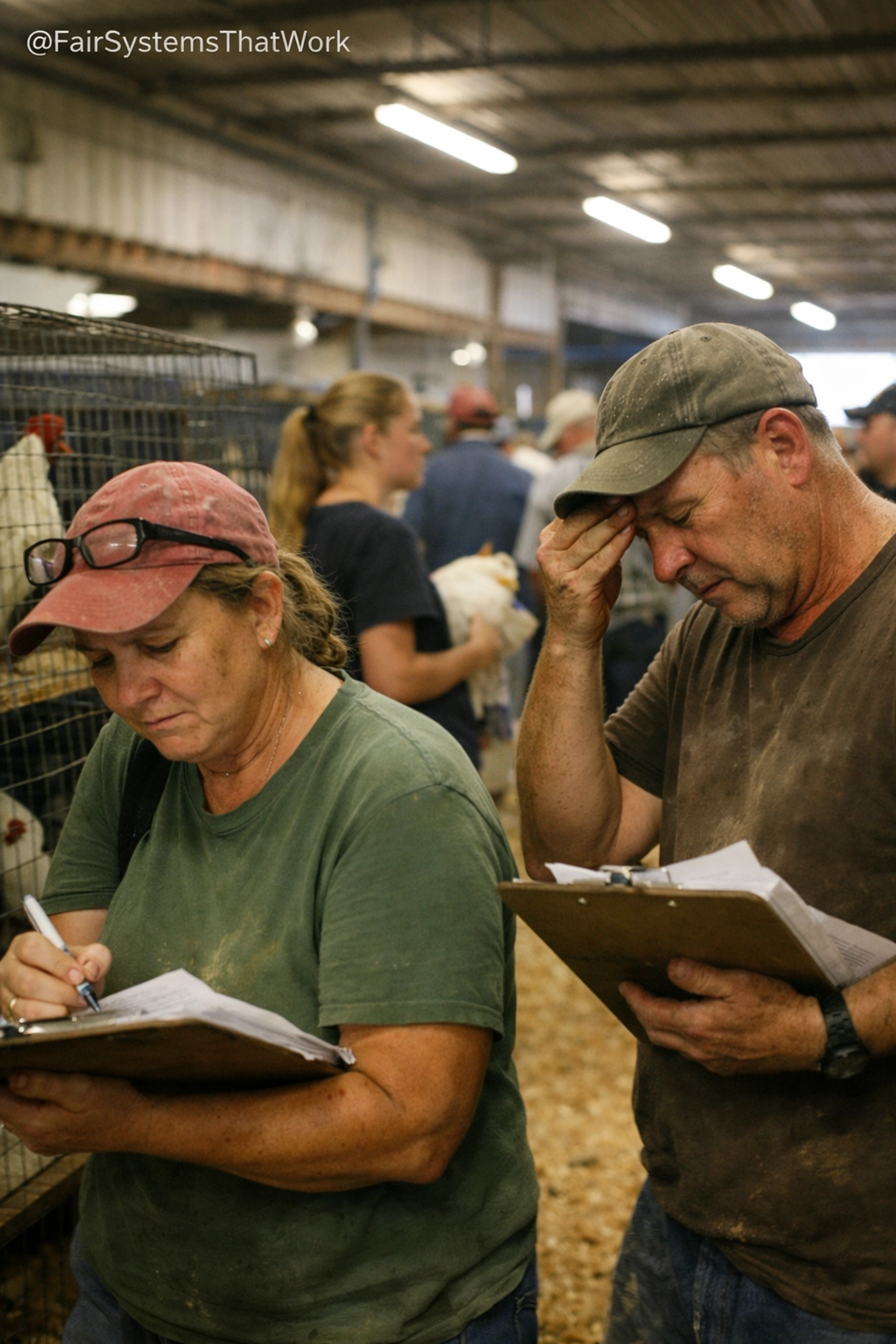
The Fix: Stop winging it.
Create simple, one-page cheat sheets for every role.
Give them the tools, the coping strategies, and a clear chain of command before the gates even open.
Check out our templates and toolkits to see how to document these roles properly.
3. The Communication Black Hole
During the fair, communication usually happens in frantic bursts over a crackling radio.
But once the lights go out and the trailers pull away, the silence is deafening.
Many boards make the mistake of only talking to their volunteers when they need something.
If the only time a volunteer hears from you is an email titled "Urgent: We Need Help," they start to feel like a tool in a shed rather than a member of a community.
Neglecting regular check-ins means you miss the small frustrations before they turn into resignations.
The Fix: Schedule a debrief that isn't just about the numbers.
Ask your team: "Is this workload still manageable for you?"
Listen to the answer.
If they say they’re tired, believe them.
4. Shaming the Need for Rest
In many local fairs, there’s a weird badge of honor tied to how much you suffer.
"I haven't sat down since Wednesday" is worn like a gold medal.
This culture trickles down and makes volunteers feel guilty for taking a break or, heaven forbid, leaving early to see their kid’s soccer game.
When you discourage time off, you aren't being "tough."
You’re being short-sighted.
A volunteer who takes a four-hour nap on Saturday is far more useful than a volunteer who collapses on Sunday.
The Fix: Lead by example.
If the board members never take a break, the volunteers won't either.
Remind your team that vacations and breaks are mandatory.
Build "rest shifts" into your operational planning so the fair doesn't stop just because one person needs a sandwich.
5. The "Indefinite Sentence" Role
Most people are happy to help if they know when the help ends.
But at many fairs, a "coordinator" role feels like a life sentence.
When roles are vague and timelines are non-existent, volunteers feel like they’re trapped in a hole they can’t climb out of.
They worry that if they step up this year, they’ll be stuck doing it for the next twenty.
This ambiguity creates a massive barrier to recruitment.
The Fix: Create "micro-tasks" and clear term limits.
Instead of asking someone to "Run the Indoor Exhibits," ask them to "Manage the Quilt Category for 4 hours on Thursday."
Defined roles with a clear start and end point are much easier to say "yes" to.
6. The $5 Coffee Card Recognition
Don't get me wrong, everyone likes a free coffee.
But if your volunteer burnout prevention strategy begins and ends with a generic thank-you card, you’re missing the point.
Volunteers stay because they feel seen and valued.
They want to know that their specific contribution made a difference to the success of the agricultural fair management.
When recognition is generic, it feels like an obligation rather than a celebration.
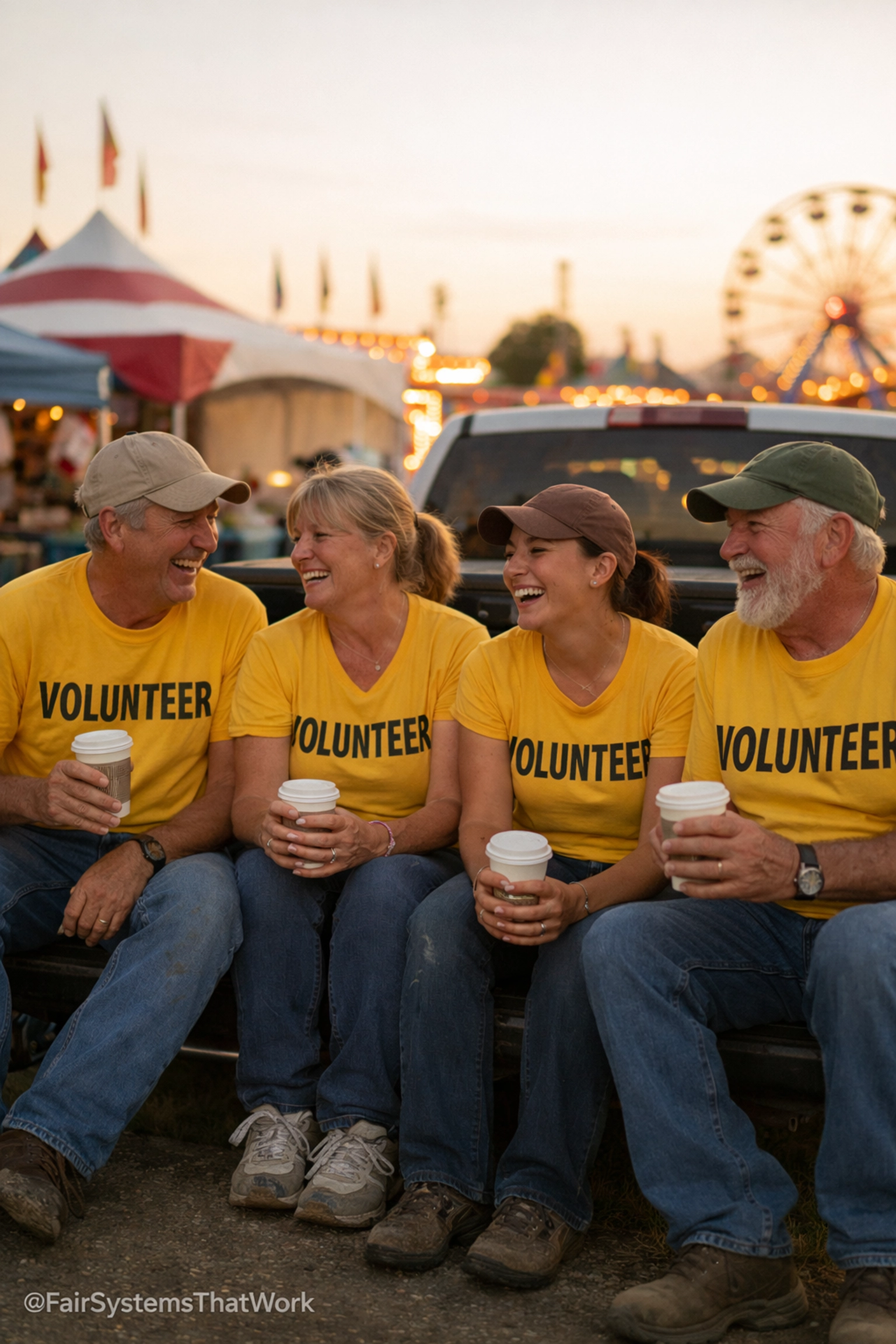
The Fix: Make it personal.
Call out specific wins in your meetings.
"The way Sarah handled that gate backup was incredible" goes a lot further than "Thanks everyone for coming out."
Fostering a sense of community and peer support is free, and it’s the most effective retention tool you have.
7. Walking Past the Smoke
Burnout doesn't happen overnight.
It leaves a trail of breadcrumbs.
It looks like the usually cheery volunteer becoming cynical.
It looks like the person who used to be first to arrive suddenly showing up late or missing meetings entirely.
If you ignore these signs because you’re "too busy with the fair," you’re letting a small fire turn into a total loss.
The Fix: Watch for uncharacteristic behavior.
If a long-term volunteer starts pulling back, don't take it personally.
Ask them if they’d like to try a different role or if they need to lighten their load for a season.
Sometimes, a change of scenery is all it takes to reignite the spark.
Building a System That Works
The truth is, you can’t "fix" burnout during the heat of the fair.
You fix it in January.
You fix it by building systems that support people instead of draining them.
Agricultural fair management is a marathon, not a sprint, and your volunteers are the heartbeat of the whole thing.
If you’re tired of the "Mystical Binder" being the only thing holding your event together, it’s time for a change.
Real tools. Real structure. No fluff.
If you want to see how we can help your board build a sustainable future, work with me.
We can stop the "Extension Cord Octopus" from claiming another victim.
Let’s build something that lasts.
If volunteer burnout is creeping in and you’re not sure what to fix first, reach out.
Email us at Support@fairsystemsthatwork.com or use the website’s Contact Us form.
No judgment. Just practical next steps.
Comments