Legacy Isn't a Secret: Why Protecting Knowledge is Your Fair’s Biggest Risk

During a recent keynote on protecting your legacy, I decided to do something a little different.
I put a single question up on the big, interactive screen for everyone in the room to see.
Anonymous. No faces. No judgment.
I asked the room: “What’s the hardest thing for you to imagine letting go of?”
At first, the screen stayed blank, and the room was so quiet you could hear a pin drop in the back of the hall.
Then, one by one, the answers started popping up in digital ink for the whole Ag Society to see.
Losing our go-to person.
The responsibility of keeping the fair alive.
Friends.
The rush of fair week.
Mastery of the craft.
Being on the board.
Making the big decisions.
Fear of things falling apart.
Tasks not being done the way they should.
The fear of the fair going backwards.
Then, one answer appeared that made the entire room shift in their seats.
“The sense of togetherness. Having a purpose.”
You could feel the air leave the room. It was heavy.
It wasn't a dramatic or defensive kind of heavy; it was the weight of decades of dedication.
People weren't holding on because they were power-hungry or obsessed with control.
They were holding on because they care.
The Real Fear Underneath the Surface
Here is the truth that usually stays buried in the dirt at the bottom of the grandstands.
It is not that people do not want to share knowledge.
It is that we are all, deep down, afraid of becoming irrelevant.
We worry that if we teach a younger volunteer exactly how to troubleshoot the electrical panel or manage the vendor contracts, we won’t be needed anymore.
Afraid that if they don't need us to do it, they won't need us at all.
So, we wrap our knowledge in layers of "protection."
We say it’s about maintaining standards or ensuring quality control.
We tell the board it’s about protecting the fair's reputation.
But sometimes, if we’re being honest, it’s just about not wanting someone else to touch our spreadsheet.
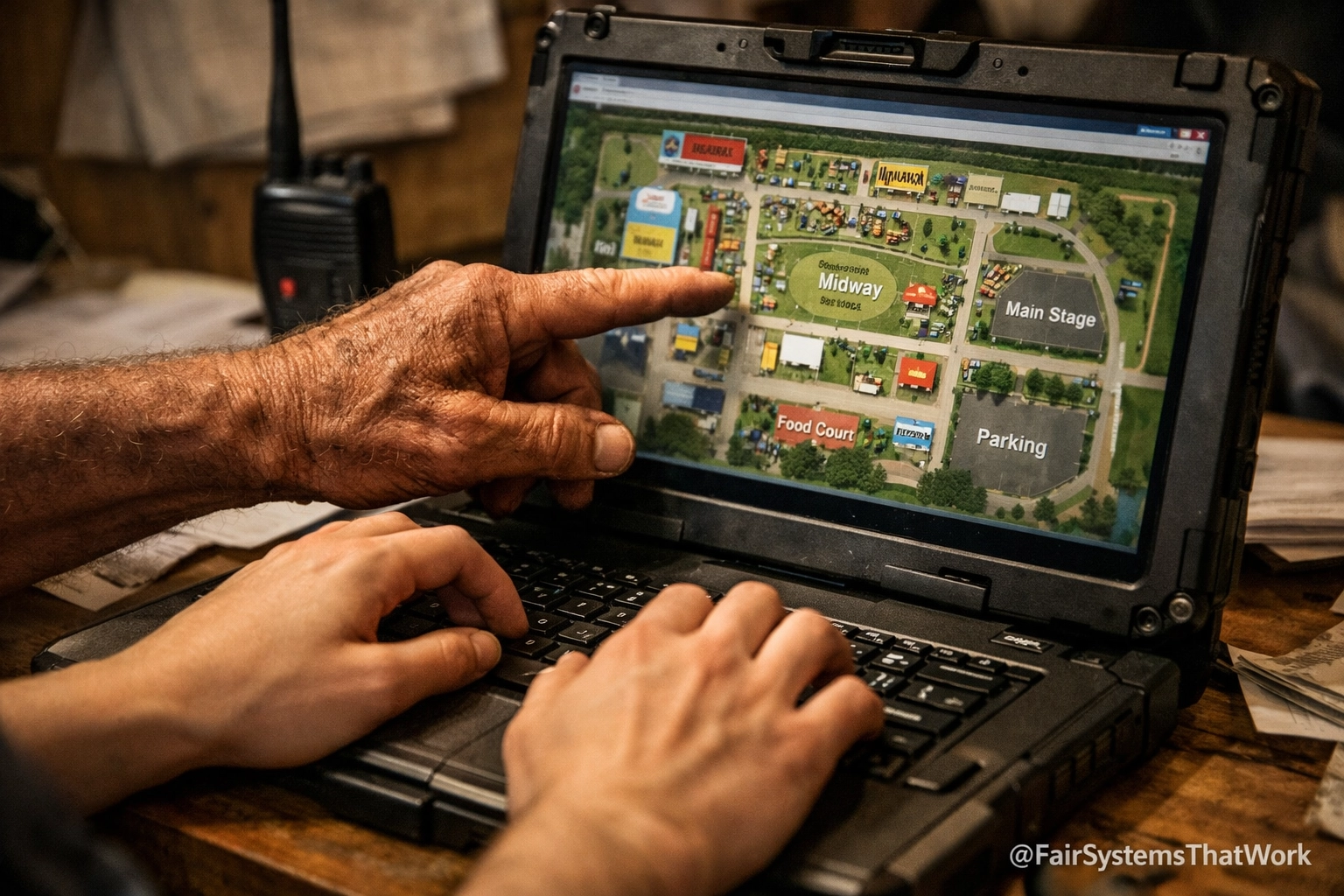
Who Are You Without the Task?
The real struggle is identity.
If you are no longer the one who knows every secret, the one who decides every detail, or the one who carries the heavy load… who are you?
That is the question that keeps veteran volunteers awake the week before the gates open.
But here is the perspective shift that changes everything for the future of your organization.
Sharing your expertise does not eliminate the wise; it elevates them.
When you stop hoarding the "how-to," you stop being the overworked workhorse of the fair.
You move from the person doing the grinding labor to the person guiding the next generation.
You start building leaders instead of just building burnout.
Legacy is not about being the only person left standing who knows where the keys are.
Legacy is about making sure the fair thrives long after you’ve handed those keys over.
The Hidden Risk of the "Hero" Culture
If your local fair depends on one single "hero" to function, your fair is fragile.
We see it every year in small towns and big exhibitions across the country.
The one person who knows how the ticket printer actually works gets the flu the Monday of fair week.
Suddenly, everyone discovers that the "mystical printer" is a complete mystery to the rest of the board.
Chaos ensues, lines back up, and the stress levels redline.
If your fair builds a team of many capable, informed people, your organization becomes resilient.
Turnover is going to happen.
Burnout is a reality.
Life: unpredictable and messy: will always happen.
The fairs that survive and grow are not the ones with the strongest individual personalities.
They are the ones that have committed to shared knowledge and open systems.
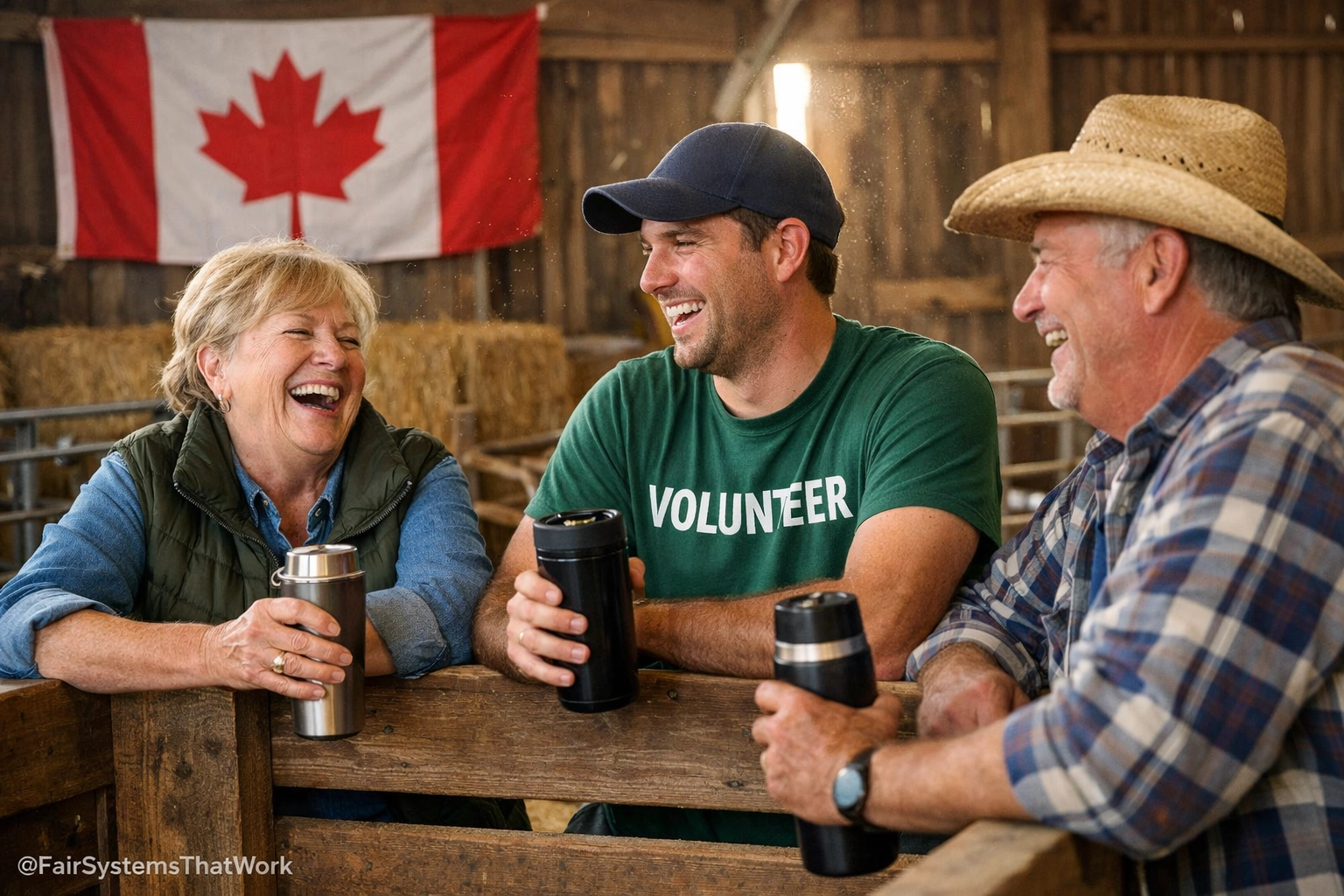
From Doer to Culture Keeper
The older generation is not meant to be replaced or discarded.
You are meant to evolve into the backbone of the entire operation.
You become the storyteller who remembers why things were started in the first place.
You become the standard setter who ensures the quality never dips.
You become the culture keeper who reminds everyone why we do this for the community.
That role is significantly bigger than any task list or "to-do" item you currently have on your plate.
Imagine a fair where you aren't protecting knowledge, but passing it on like a gift.
Instead of guarding every decision like a hawk, you are mentoring someone else through the process.
Instead of being the only one who can fix the problem, you’ve trained two more people who can handle it while you enjoy a coffee.
You do not disappear. You expand your influence.
This is what we mean when we talk about passing the torch.
It isn't about walking away; it's about lighting the way for the people coming up behind you.
When you do this, your fair doesn't go backwards. It grows roots.
Your Challenge: The Secret Family Recipe
If reading this stings a little bit, good.
That means you care deeply about your work, and it means the message is hitting home.
So, here is the move for this season.
Pick one thing you currently guard like a secret family recipe.
Maybe it’s a specific vendor relationship, a complex logistics process, or a piece of fair history only you know.
Teach it to someone else this year.
Don't just give them a binder; walk them through it.
Show them the shortcuts, the pitfalls, and the "why" behind the "how."
That is how you truly protect your legacy.
That is how your grandchildren’s grandchildren will still feel the pride of walking through those gates decades from now.
The fair will survive not because you held onto it with a tight fist.
But because you had the courage to hand it forward.
Ready to build a system that outlasts your current board?
If you need help with governance, transition planning, or securing your fair’s future, we’re here to help.
Reach out to us at Support@fairsystemsthatwork.com to start the conversation.
Comments