Fair kid to Board Member: The Journey

You remember that kid.
The one who lived in the barns during the fair. The one who groomed their steer until it shone. The one who knew every inch of the grounds by the time they were ten.
They were the future of your ag society. Everyone said so. They had the spark. They had the work ethic. They loved the fair more than anything.
Then they went to college. Or they started a job. Or they moved a town over.
When they finally come back to help: because they always come back: something happens. They walk into that first board meeting. They are ready to give back to the place that raised them.
Then they hit a wall.
They sit in a folding chair at the back of the room. They listen to a two hour debate about the price of hamburger buns. They try to suggest a digital ticket option or a new social media strategy.
The room goes quiet. Someone who has been on the board since 1978 gives them "The Gatekeeper Glare."
"That is not how we do things here."
The spark dies. The connection breaks. They don't come to the next meeting.
You just lost your future.
The heavy lifting trap
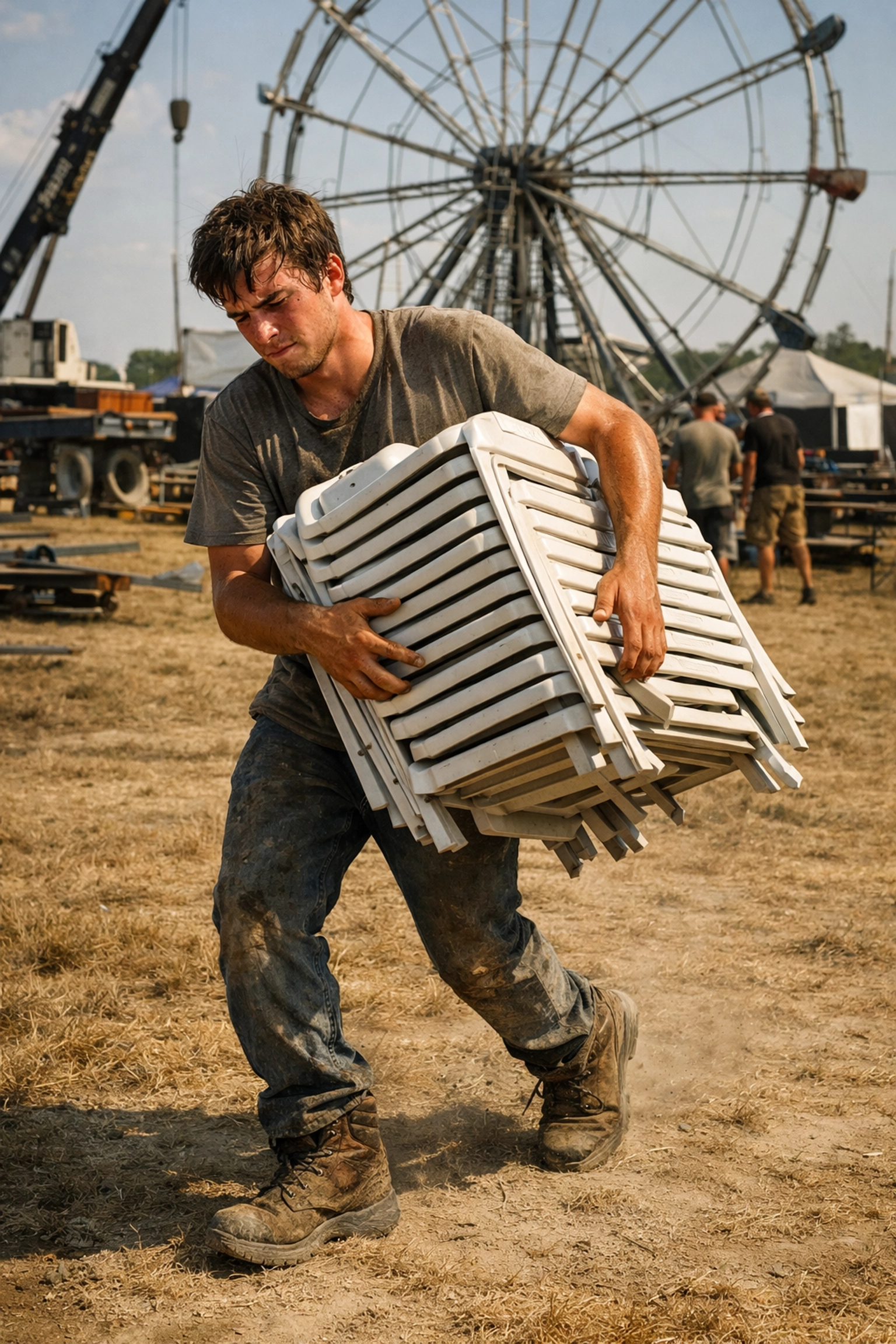
Most boards look at young people and see one thing: muscle.
When a 20 something shows up to help: you put them in the beer garden. You have them move picnic tables. You have them park cars for twelve hours in the sun.
You treat them like free labor. You do not treat them like future leaders.
That is the moment the journey breaks. Young people today do not want to just "help." They want to have an impact.
If you keep them at the kids' table: they will eventually leave the house.
Involvement requires a seat at the table
You cannot simply invite young people to a meeting and expect them to stay.
A board meeting is a foreign language. It is full of history: grudges: and "the way we’ve always done it."
Involvement requires ownership.
If you want the "fair kid" to become a board member: you have to give them the keys to something real. You cannot just give them a checklist of chores.
When you give someone a task: you get a volunteer. When you give someone a project: you get a leader.
This is where the Junior Board comes in. It is not a social club. It is not a way to get cheap labor for the gates.
A Junior Board is the farm team for your future leadership.
It is the bridge between the barn and the boardroom. Without that bridge: the gap is too wide for most people to jump.
The Project Pivot: Give them the keys
The first step in building this bridge is the Project Pivot.
Stop asking your young volunteers to "help out where needed." That is a recipe for boredom and burnout.
Give your Junior Board one tangible area of the fair to own entirely.
Maybe it is the social media presence. Maybe it is the local music stage. Maybe it is a new "Ag-tivity" zone for toddlers.
Whatever it is: it must be theirs.
They should be responsible for the budget. They should manage the volunteers for that area. They should make the decisions.
When they own the outcome: they care about the process.
If they are just following your orders: they are just waiting for the shift to end.
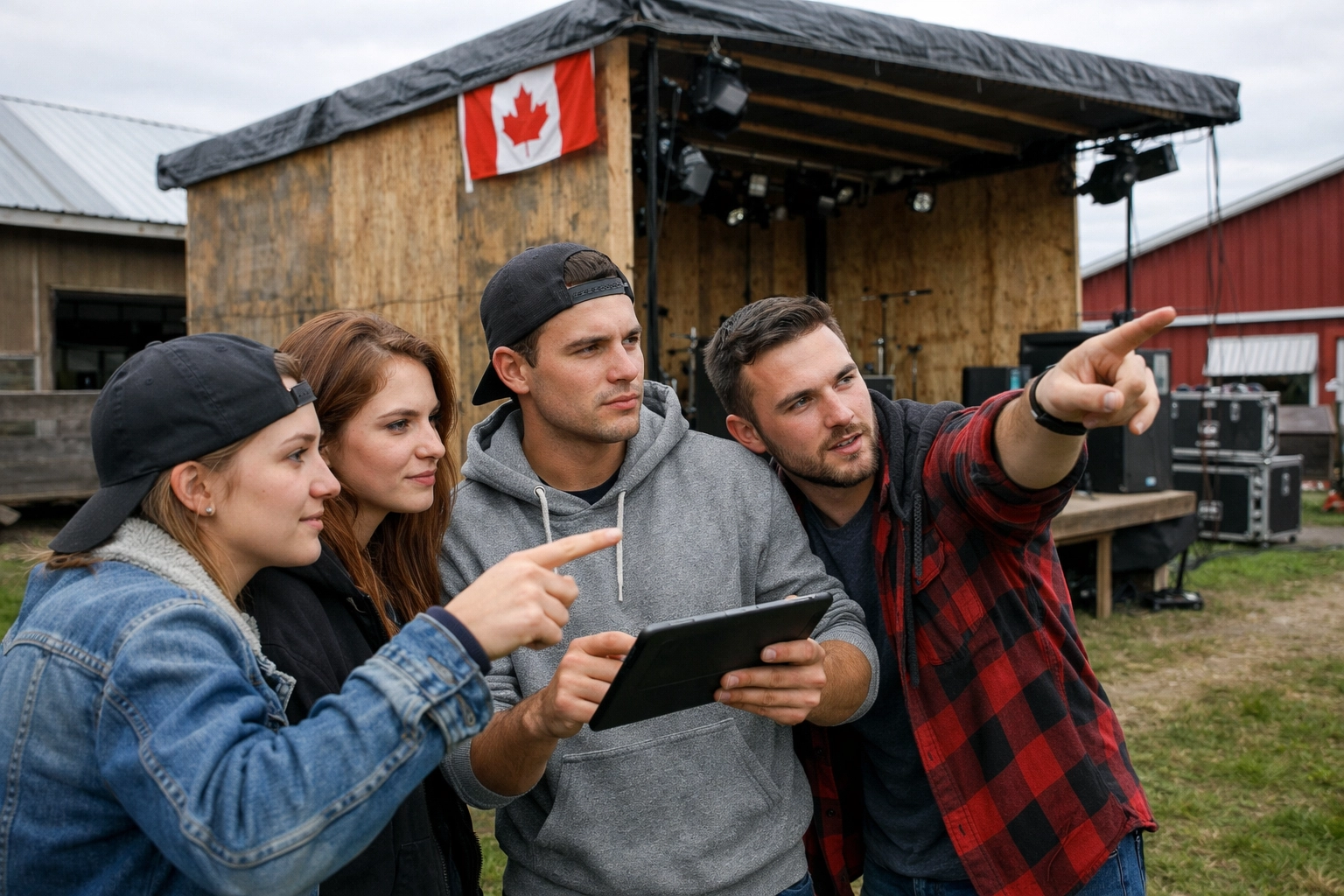
Create a Liaison System that actually works
You cannot just throw five 20 year olds in a room and tell them to "fix the fair."
They need a guide. But they do not need a boss.
You need one senior board member to act as a Liaison. This person needs to be chosen carefully. Do not pick the person who loves to hear themselves talk.
Pick the person who knows how to listen.
The Liaison’s job is to protect the Junior Board from the "Old Guard" politics. They provide context. They explain why the insurance company says "no" to certain things.
They help the Junior Board navigate the operational planning without crushing their spirit.
The Liaison is a shield: not a hammer.
The No-Veto Zone
This is the hardest part for senior boards.
If you give the Junior Board a project: you have to let them run it. Even if you think their idea for a "silent disco" in the livestock barn is weird.
You must create a No-Veto Zone.
Unless an idea is illegal: dangerous: or will bankrupt the society: let them do it.
If it fails: they learn. If it flies: the fair wins.
Nothing kills a young person’s drive faster than doing three months of work only to have a senior board member veto it in five minutes because "we tried that in '92 and it didn't work."
1992 was thirty four years ago. The world has changed. Let them try.
Build a junior board bridge.
The clear path to graduation
A Junior Board should not be a permanent destination.
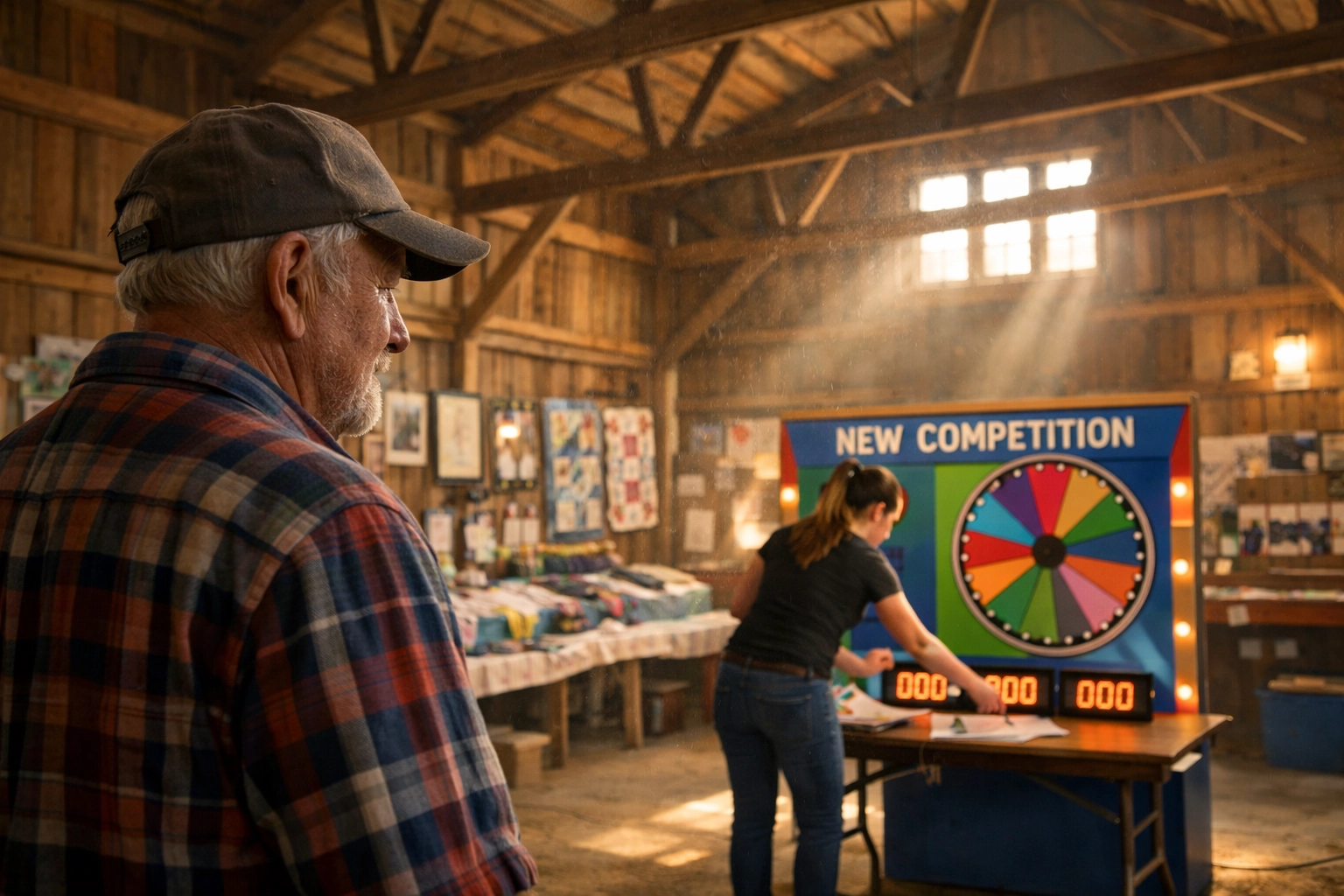
It is a training ground. You need a clear: documented process for how a Junior member becomes a full voting member of the Ag Society board.
Try a two year graduation path.
Year one: Lead a specific project within the Junior Board. Year two: Shadow a senior board member and sit in on executive meetings. Year three: Full board eligibility.
When people see a clear path: they stay on the trail. When they feel like they are wandering in the woods: they go home.
Stop treating your future leaders like children.
They might have been the "fair kid" ten years ago. Today, they are professionals. They are parents. They are the ones who will be holding the keys when you are ready to retire.
If you don't build the bridge now: there won't be anyone there to take the keys when you try to hand them over.
You are not just planning a fair. You are planning a legacy.
Your fair deserves a future that is more than just "surviving."
If your board is struggling with volunteer burnout: the answer is usually sitting right in front of you. It is the young people you are currently ignoring.
Build the bridge. Give them the keys. Watch them fly.
Build a junior board bridge.
If you need help structuring your Junior Board or creating a succession plan that actually works: reach out. We specialize in building the systems that keep fairs running for the next generation.
Contact us at Support@fairsystemsthatwork.com or visit our Work With Me page to start the conversation.
Comments