The Rogue Gavel: How One 'Executive Decision' Emptied a Board Room in 7 Days

The room was quiet, except for the hum of an old refrigerator in the corner of the community hall. Around the laminate table sat nine people who had collectively given decades of their lives to the local fair. They had just finished a three-hour debate on a major operational shift: something that would change how the gates were managed for the next five years.
The motion was moved. It was seconded. The discussion was exhaustive. When the call for the vote came, the hands went up.
Eight hands for. One hand against.
In any functioning democratic system, that’s a settled matter. The majority had spoken. The board had a direction. The volunteers were ready to get to work. But then, the President leaned back, crossed their arms, and said the words that would effectively end the organization as they knew it:
"I hear you, but I’ve decided we’re going to stick with the old way. I’ll handle the contracts myself."
That is the moment The Rogue Gavel fell. And when a gavel goes rogue, the sound it makes isn’t a click of order: it’s the sound of a board breaking.
When the Vote Becomes Theatre
When you join a fair board, you aren't joining a fan club. You are joining a governance body. You are there to provide oversight, make decisions, and ensure the long-term health of an institution that belongs to the community.
The problem starts when a leader begins to view the board as a "suggestion box" rather than a decision-making authority.
In this specific story, the President believed their tenure and their personal passion outweighed the collective wisdom of the table. They viewed the majority vote as a hurdle to be cleared, rather than a mandate to be followed.
The Rogue Gavel is what happens when a leader decides that "Executive Privilege" is a real thing in a volunteer non-profit. (Hint: It usually isn’t.)
When that President overrode the 8-to-1 vote, they weren't just changing a vendor. They were telling eight dedicated volunteers that their time, their research, and their voices didn’t matter.

Bylaws Are the Law (Not the Guidelines)
We need to clear something up about how these organizations are built. In the world of Fair Systems, there is a very clear hierarchy of "rules."
Bylaws are the law of the governance board. They are the skeleton. They define how meetings are run, how many people make a quorum, and: most importantly: how decisions are made. If your bylaws say a majority vote carries a motion, then a majority vote carries a motion. Period.
Policies are the rulings that need adjusting. These are the muscles. They describe how we handle refunds, how we pick vendors, or how we manage the beer gardens. Policies are meant to be flexible as the world changes.
But neither of these are suggestions.
When a President ignores a majority vote, they aren't just being "bold" or "decisive." They are breaking the law of their own organization. They are operating outside of the authority granted to them by the membership.
That works. Until it doesn’t.
The Anatomy of a 7-Day Collapse
The fallout didn't happen in the room that night. It happened in the parking lot. It happened in the quiet drives home. It happened over the next seven days.
Monday: The Treasurer resigned. Their reasoning was simple: "If the board votes to spend money one way, and the President spends it another, I can’t legally or ethically sign the checks."
Tuesday: The Secretary followed. Without a board that follows its own minutes, the role of record-keeper becomes a work of fiction.
Wednesday: Three more board members sent their emails. These were the "doers": the people who ran the gates, managed the barns, and coordinated the parade. They didn't quit because the work was hard. They quit because the system was rigged.
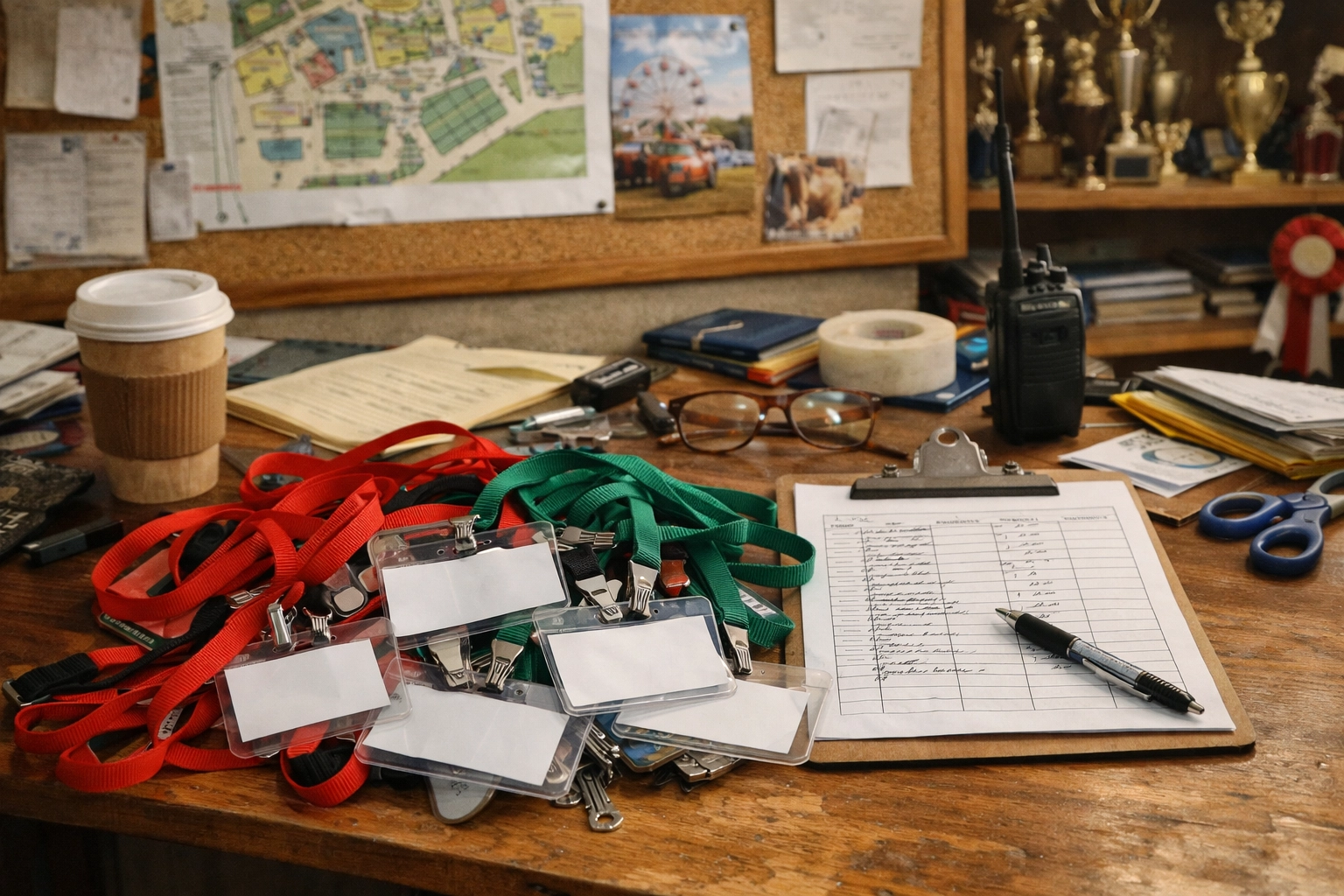
By the time the following Sunday rolled around, the organization had become The Ghost Board.
A Ghost Board is what remains when the "Executive" is the only one left standing. It’s a shell of an organization with no one to do the work, no one to provide oversight, and no legal quorum to pass a single motion.
The President got their way. But they lost their fair.
Why People Actually Quit
If you’ve spent any time around an ag society or a community exhibition, you know that volunteers are a hardy bunch. They will work in the pouring rain. They will deal with angry fairgoers. They will spend their weekends painting fences and hauling trash.
They don't quit because of the work. They quit because of the friction.
When The Rogue Gavel strikes, it creates a specific type of friction: the realization that your contribution is an illusion.
Volunteerism is a trade. The volunteer gives their time and expertise; the organization gives them a sense of purpose and a voice in the outcome. When the voice is taken away, the trade is broken.
When a leader overrides a vote, they are effectively saying: "Your 20 hours of committee work this month were worth nothing because I know better."
You can only say that to a volunteer once.
Protecting the Room from the Gavel
How do we stop this from happening? How do we keep our boards from turning into ghosts?
It starts with a radical commitment to the process. Even when the process is slow. Even when the process doesn't go your way.
Enforce the Bylaws: If the President attempts to override a vote, the board must immediately call a point of order. The bylaws are your shield. Use them.
Minutes Matter: Ensure every vote is recorded accurately. If a leader goes rogue, the paper trail is the only thing that protects the rest of the board from liability.
Governance Training: Most "Rogue Gavels" don't start from a place of malice. They start from a place of ignorance. Many leaders simply don't understand that they are part of a board, not the boss of a company.
If you are feeling the weight of a boardroom that isn't following the rules, you aren't alone. It’s one of the most common reasons fairs struggle to keep new blood. But you can fix it. You can build operational planning that respects the vote and protects the volunteers.
From Chaos to Continuity
The story of the 5-resignation week is a cautionary tale, but it’s also a reminder. A fair is only as strong as the system that governs it.
When we respect the majority, we respect the community. When we follow the bylaws, we protect the legacy.
If your board is starting to feel like a "suggestion box," or if you’re worried you might be heading toward a Ghost Board situation, it might be time to look at your systems. You can work with me to help realign your governance and get everyone pulling in the same direction again.
Don't wait for the gavel to break the room.
Real tools. Real structure. No fluff.
If you need help navigating a difficult board transition or want to ensure your bylaws are working for you (not against you), reach out at Support@fairsystemsthatwork.com or visit our contact page.
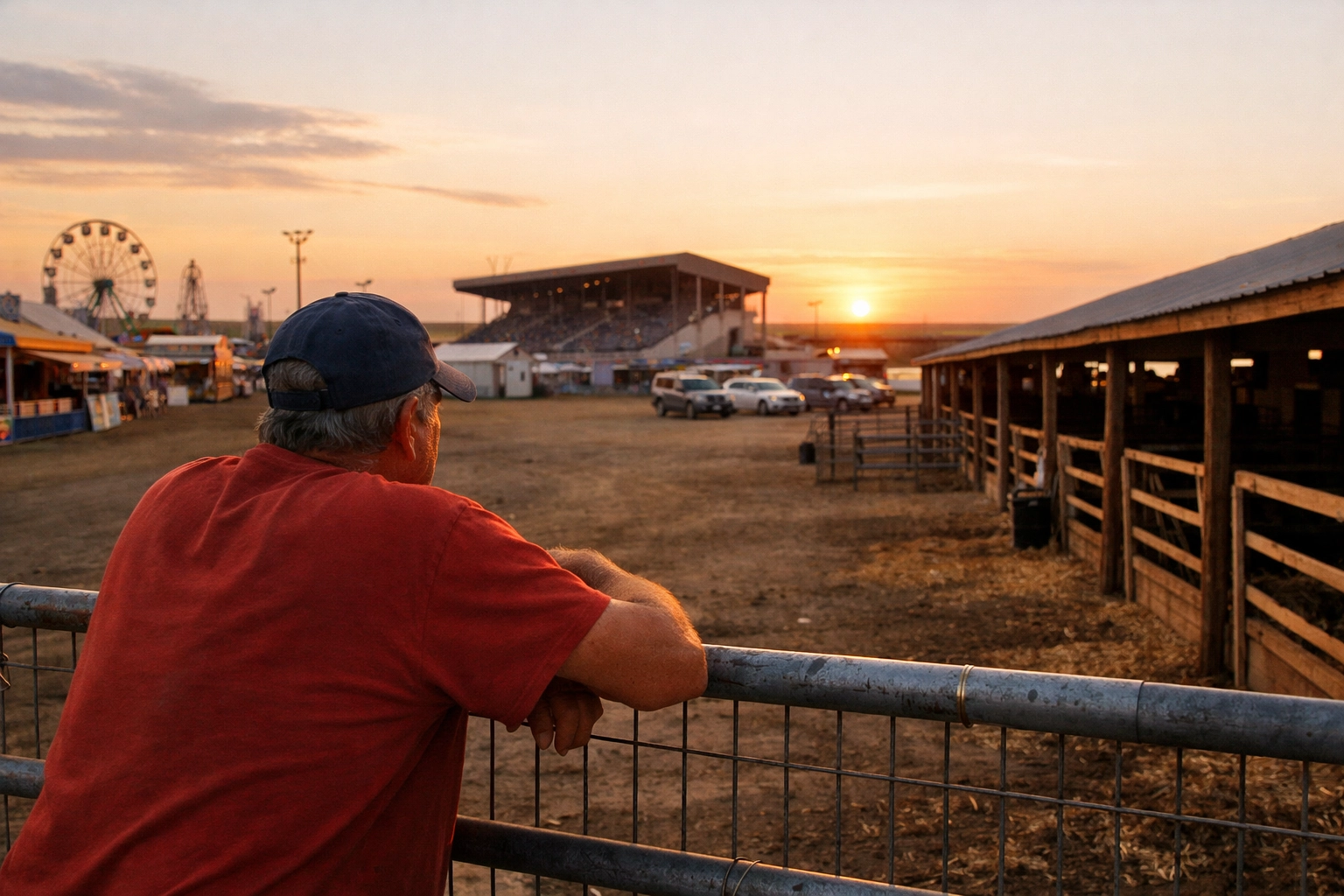
The fair belongs to the people who show up to build it. Let’s make sure the boardroom is a place where they actually want to stay.
Need to brush up on your board roles before the next meeting? Check out our Templates and Toolkits for governance guides that actually make sense.
Comments