Stop Being Polite to Toxic Volunteers: The Hard Truth About Protecting Your Fair’s Future

We’re too nice. And honestly, it’s killing your fair.
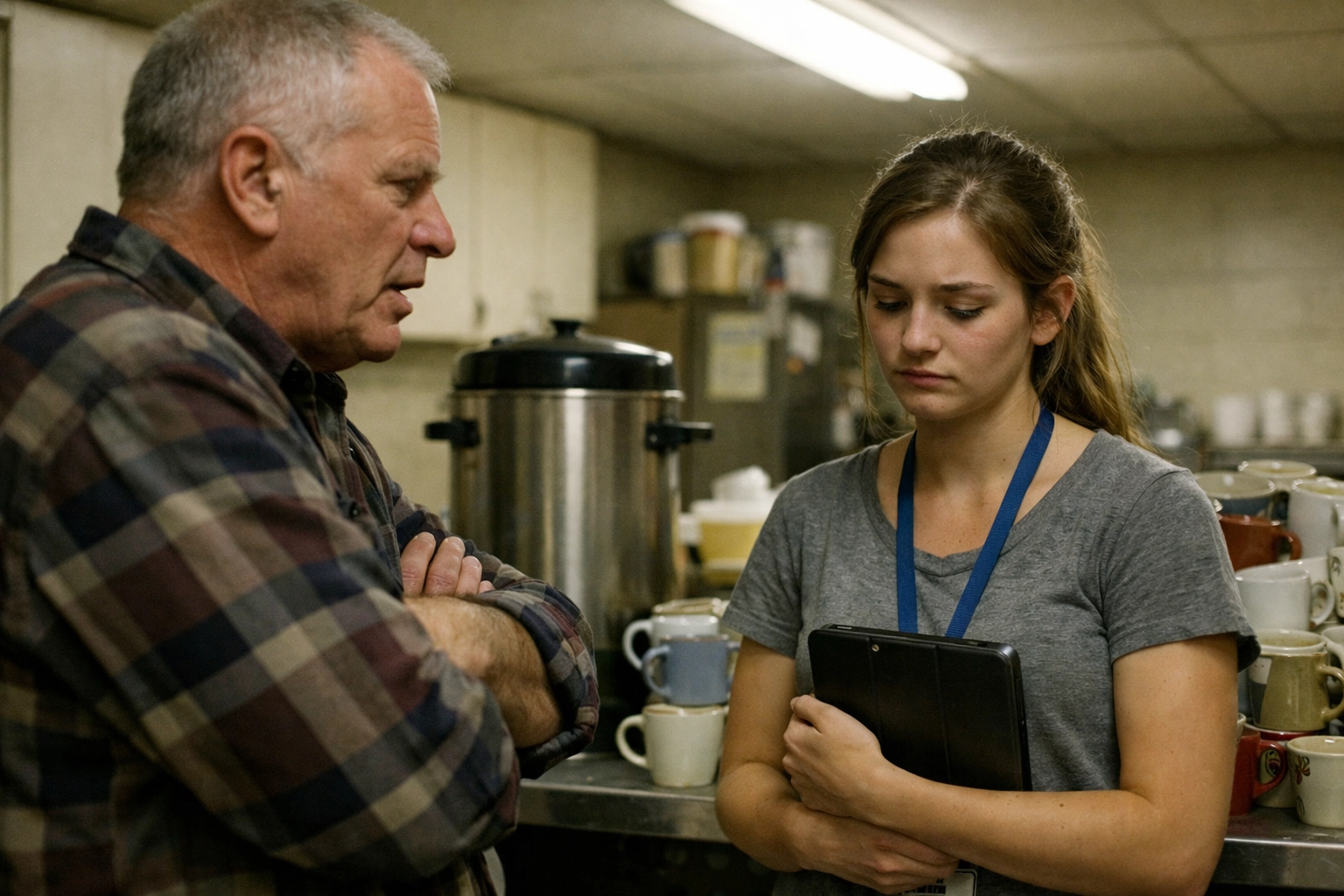
I’ve sat in enough community halls at 11:00 PM to know the vibe. The fluorescent lights are buzzing, the coffee in the percolator is more mud than drink, and there’s that one person. You know the one. They’ve been there since the dawn of time. They know where the spare breakers are, they have the only key to the equipment shed, and they treat every new idea like a personal insult.
They’re rude to the new parents who showed up to help with the gates. They roll their eyes when a 22-year-old suggests an online ticketing system. They mutter under their breath during board meetings.
And what do we do? We smile. We nod. We say, “Oh, that’s just how they are,” or “They do so much for the fair, we can’t afford to lose them.”
That is a lie.
The hard truth is that you can’t afford to keep them. Every time you choose to be “polite” to a toxic volunteer, you are choosing to be rude to your future. You are actively driving away the fresh blood your ag society desperately needs to survive the next decade.
The Niceness Trap is Emptying Your Community Hall
It starts with a simple interaction. A new volunteer: let’s call her Sarah: shows up eager to help. She’s tech-savvy, she’s energetic, and she wants to help with volunteer burnout prevention by streamlining the shift schedule.
Then she hits the "Human Barrier."
The Human Barrier is that long-term volunteer who has turned their role into a kingdom. They don’t want a streamlined schedule because they like being the person everyone has to ask for permission. They shut Sarah down in front of the group. They tell her "we don't do things that way here."
Sarah doesn’t argue. She’s polite, too. She just doesn’t come back next year.
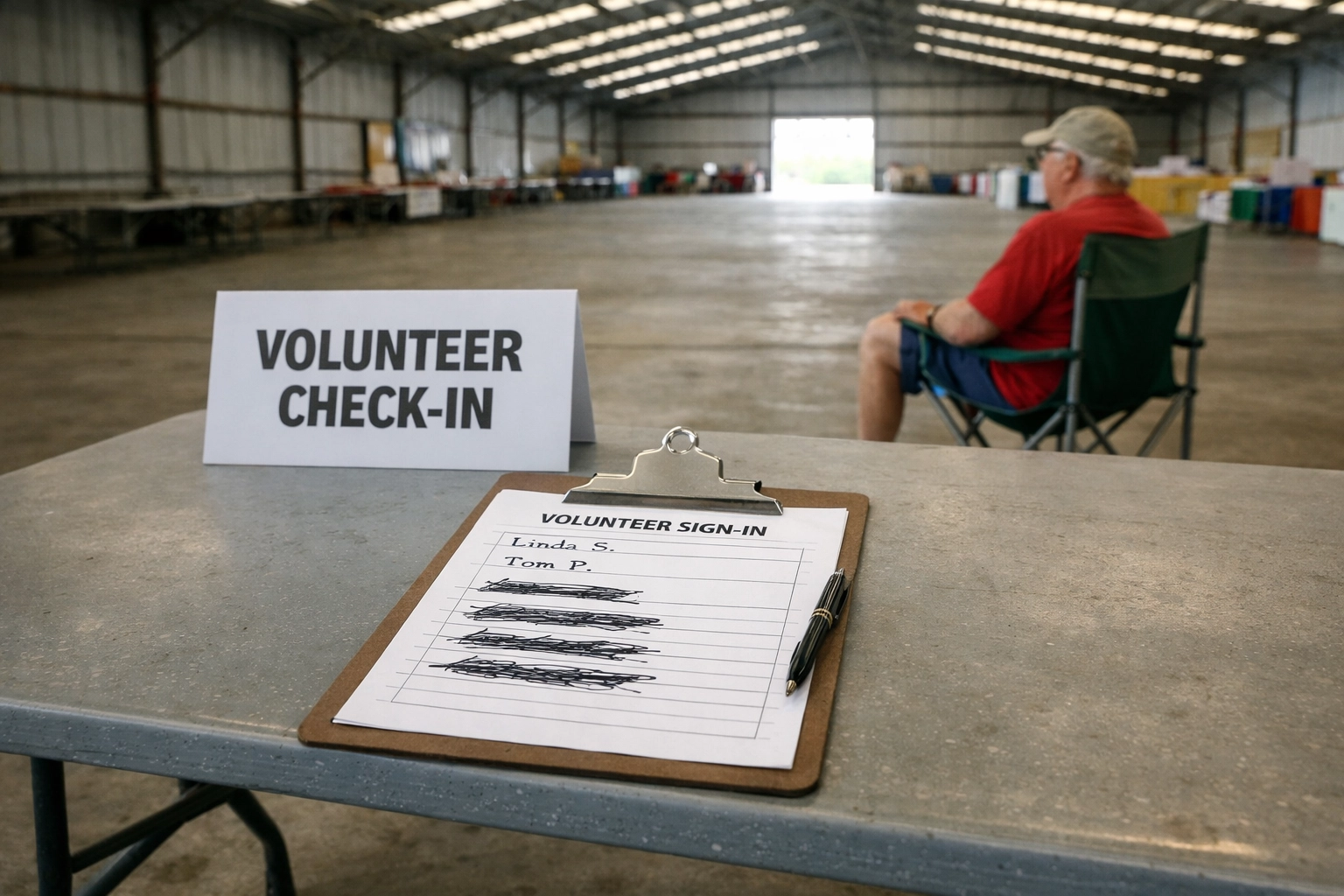
When that happens, you didn't just lose one volunteer. You lost five. Sarah goes back to her peer group and tells them that the fair board is a "closed club." Now, those five other young people who might have helped with the heavy lifting or the marketing won't even bother to look at your website.
The Hard Truths About Your Fair’s Survival
We need to stop treating "time served" as a license to be toxic. If your fair governance relies on walking on eggshells around one or two people, your system isn't working: it's being held hostage.
Here are the facts we need to face:
Toxicity is a virus. One person’s bad attitude doesn’t stay in a vacuum. It sours the entire board culture. It turns meetings into marathons of dread rather than sessions of progress.
Silence is an endorsement. When leadership doesn't call out a bully, the rest of the volunteers assume the bully is in charge. It signals to your best people that their mental well-being doesn't matter as much as "keeping the peace."
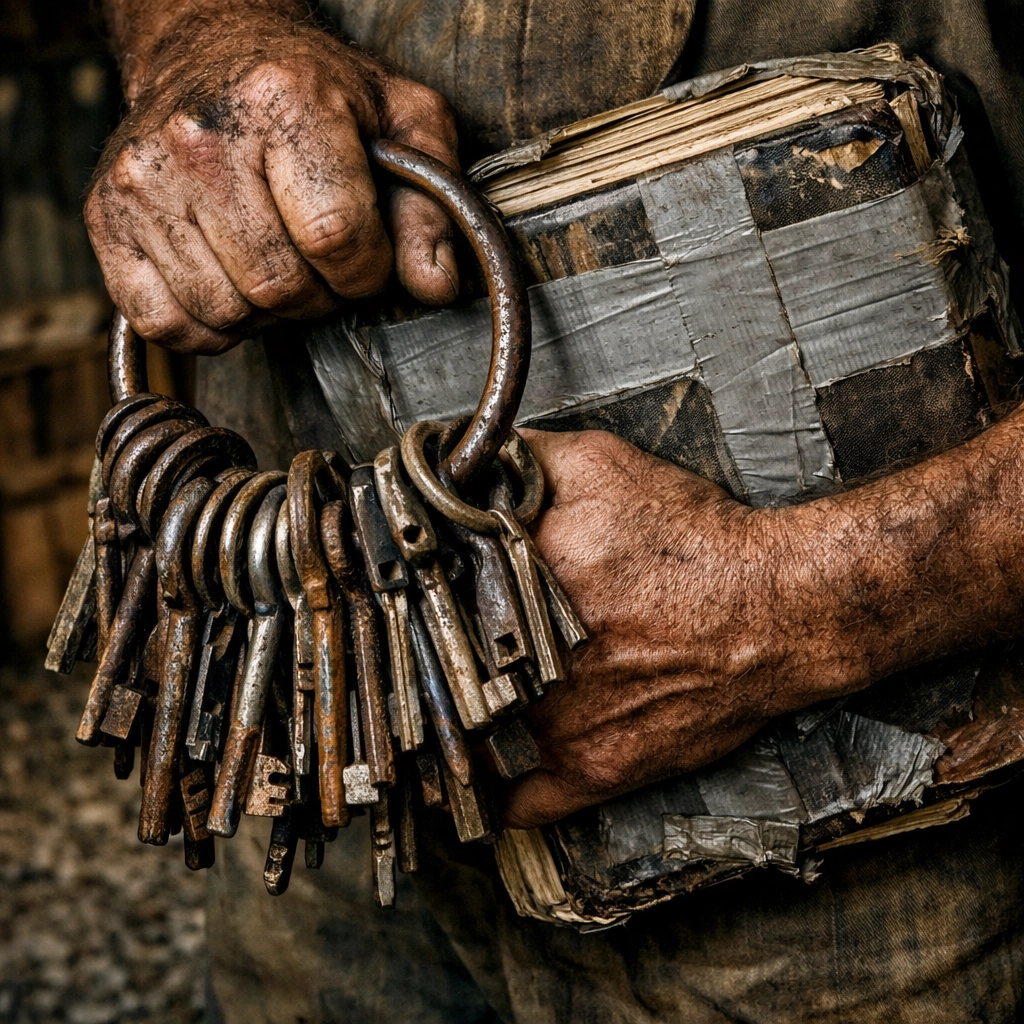
The "Knowledge Vault" is a liability. We often tolerate toxic people because they hold all the secrets: where the extension cords are, how the water main works, or who the contact is for the local tractor pull. If that knowledge isn't documented in a system, that person isn't an asset; they are a single point of failure.
The 3-Step Toxic Audit: Is it Passion or Poison?
Not every grumpy volunteer is toxic. Some are just tired. But you need to know the difference before your next ag society board structure meeting. Ask yourself these three questions about your "difficult" members:
Do they gatekeep or mentor? A passionate volunteer wants the fair to outlive them; they teach others the ropes. A toxic volunteer keeps the ropes hidden so they remain indispensable.
How do they react to "Why?" When a new person asks why a process exists, a healthy volunteer explains the history. A toxic one takes the question as a threat to their authority.
What is the "Sarah Count"? How many good, capable people have walked away after working directly with this person? If there’s a trail of "one-and-done" volunteers behind them, the problem isn't the recruits. It's the gatekeeper.
If you’re realizing that your "irreplaceable" volunteer is actually a "Sarah-repellent," it’s time to stop being polite and start being professional.
Why Your Ag Society Board Structure is Failing
Most ag societies are structured for the 1980s, not the 2020s. We rely on the "omniscient volunteer" because we haven't built fair systems that work.
When you have no clear job descriptions, no documented procedures, and no formal code of conduct, the loudest person in the room wins by default. This is where fair governance falls apart. Without a system, "politeness" becomes your only tool, and it’s a blunt one.
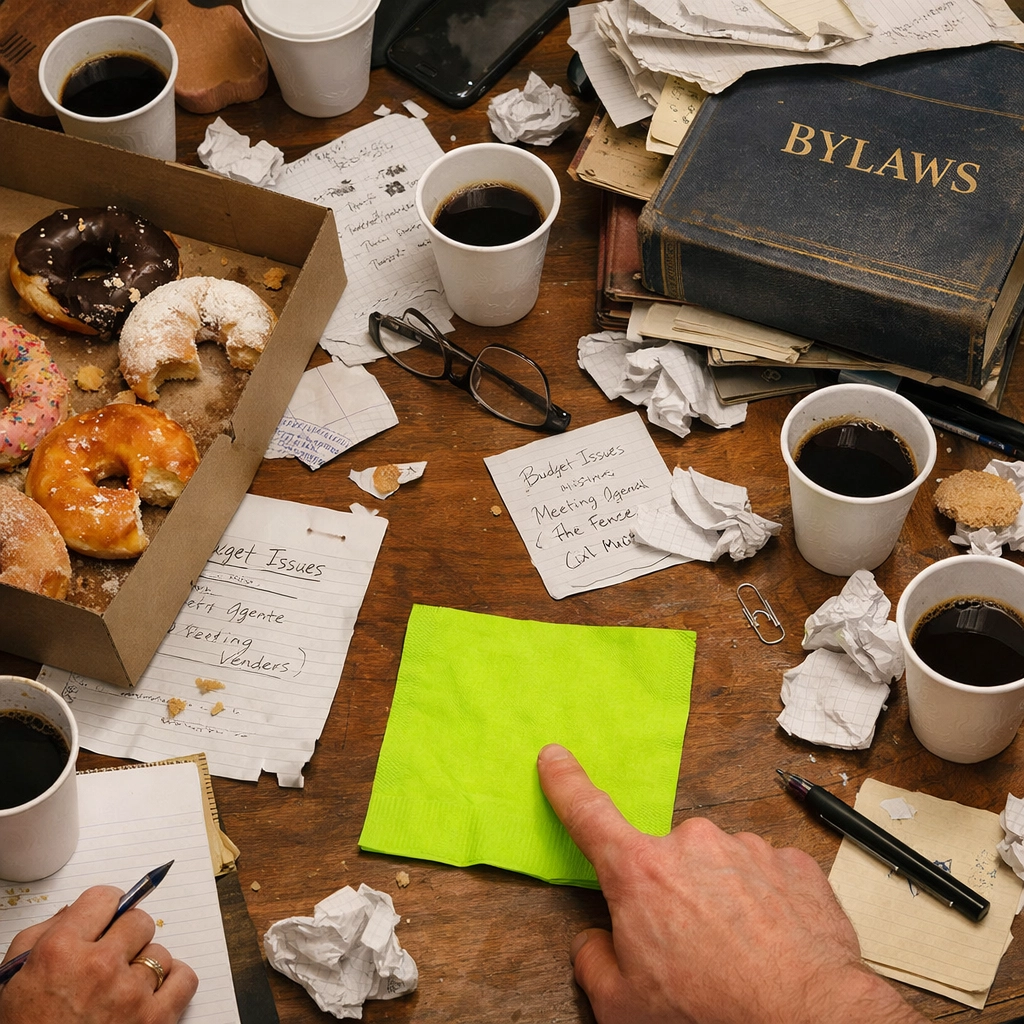
We see this everywhere. Boards spend forty minutes debating the color of napkins while a toxic gatekeeper is busy alienating the local sponsors. We focus on the "small stuff" because the "big stuff": like firing a volunteer or enforcing a code of conduct: is uncomfortable.
But here is the perspective shift you need: You aren't being mean; you are being a steward of the legacy.
If the fair is to exist in twenty years, you need systems that allow a 19-year-old to walk in, read a manual, and succeed without having to beg a 70-year-old for the "secret" way to run the gate.
Protecting the Future Through Systems, Not Smiles
So, how do we fix it? We move away from "the way we've always done it" and toward a professionalized volunteer experience.
Implement a Code of Conduct. It sounds corporate, but it’s a lifesaver. When "Respectful Communication" is a written rule, calling out a bully isn't a personal attack: it's a policy enforcement.
Build the "Knowledge Vault" (On Paper). Start documenting everything. If you don't need the toxic volunteer to find the breakers, they lose their leverage. Check out our templates and toolkits to start building your own binder that doesn't live in someone's head.
Appoint a Volunteer Coordinator. Someone whose job isn't just "finding help," but protecting the help you have. We’ve talked before about why your fair needs a volunteer coordinator, and this is a huge part of it. They act as the buffer between the old guard and the new recruits.
The Final Word: Don't Let "Politeness" Be Your Fair's Obituary
Your fair is a miracle of community effort. It’s held together by grit, caffeine, and a shared love for your town. But that miracle is fragile.
If you continue to prioritize the feelings of one toxic individual over the health of your entire volunteer base, you are presiding over the slow decline of your organization. It feels "nice" in the moment to avoid the conflict. It feels "safe" to keep the status quo.
But it isn't.
Real leadership means having the guts to say: "We appreciate your years of service, but we are moving in a direction that requires a different kind of culture."
It’s time to stop being polite to the people who are burning out your best talent. It’s time to start being loyal to the fair itself.
Protect your legacy. Build the systems. Stop the bleeding.
If you’re struggling with a board that’s stuck in the "politeness trap" and you need a roadmap to fix your governance, let’s talk. You can work with me to rebuild your structures so they work for the next generation, not just the last one.
Need help right now? Reach out at Support@fairsystemsthatwork.com or fill out our Contact Us form. Let’s get your fair back on track.
Comments