Stop Wasting Time on Huge Committee Roles: Try These 5 Micro-Volunteering Hacks Instead

You’re sitting in the community hall basement. The coffee is lukewarm, the fluorescent lights are humming, and the air is thick with the scent of old floor wax and heavy silence.
The Board President clears their throat. “We still need a Chairperson for the Entertainment Committee,” they say, looking around the room.
Suddenly, everyone is very interested in their shoes. One person starts intensely studying the nutritional facts on a digestive biscuit. Another is suddenly busy organizing their pen collection. When you ask someone to take on a "Committee Chair" role, you aren’t just asking for help, you’re asking them to adopt a second, unpaid full-time job.
You’re thinking, “If I say yes, I’m saying goodbye to my weekends until October.” And you’re right.
But here’s the reality: The traditional “Big Committee” model is dying. If your local fair is still trying to recruit for massive, year-long roles, you aren't just struggling to find people: you're actively pushing them away. This is the "All-or-Nothing Trap," and it’s the fastest way to ensure your board burns out before the first corn dog is even battered.
The Hidden Cost of the "Commitment Phobia"
We’ve all seen it. You have a great volunteer: young, energetic, full of ideas. You ask them to join the board or lead a major project. Instead of a "yes," you get a polite “maybe next year,” followed by a slow disappearance into the witness protection program.
Actually, they don’t hate the fair.
They hate the Open-Ended Commitment.
And when you slap a big title on it (“Committee Chair”), people hear “no finish line.” They hear “my whole summer is gone.”
In the world of fair operations, we tend to focus on gates, generators, and who has the key to the storage sea-can.
But the most important “system” is the one that protects human energy.
When you demand 100 hours of someone’s time or nothing at all, most people will choose nothing. Not because they’re flaky. Because they’re already maxed out. (Kids. Crops. Work. Life.)
That’s how you end up in what I call The Same-Five Spiral:
The same five people hold everything together
They get tired
They get cranky
Then, suddenly, they’re gone
And when that happens, it’s not just a volunteer problem.
It’s a fair survival problem.

Breaking the Cycle with the "Bite-Sized Win"
The solution isn’t to work harder.
And it’s not “recruit more” like you’re building a hockey roster.
Actually, the fix is smaller than that: change the size of the ask.
Enter Micro-Volunteering.
This is taking a massive, scary “Committee Role” and breaking it into tiny, finishable jobs a busy parent (or a burnt-out board member) can knock off on a Tuesday night.
Stop looking for “The Entertainment Chair.” Start looking for five people to do one small task each.
Here are 5 micro-volunteering hacks to save your sanity and your fair.
1. Use the "15-Minute Hero" Model (Digital Micro-Missions)
When you have a volunteer who lives on their phone, don’t ask them to attend a three-hour meeting. Give them a digital “mission” with a hard deadline and a clear finish line.
The task: 15 minutes inviting 50 local people to the Facebook event
The impact: better reach without forcing someone to sit through a debate about prize ribbon colours
The result: they feel useful, and you get the job done
Micro-volunteering works because it respects the most valuable thing your volunteers have: time.
2. The "Skill-Based Drop-In"
Instead of a “Marketing Committee,” find one skilled person and ask for one specific thing.
The ask: “Can you spend two hours updating the dates on our poster template?”
The rule: don’t ask them to join the board
The reality:professionals will often donate skills when they know they won’t be trapped in a “Forever Committee.”
If you need help fitting these mini-roles into your structure, take a look at our templates and toolkits so the ask stays clear (and stays small).
3. Implement the "Hour of Power" On-Site
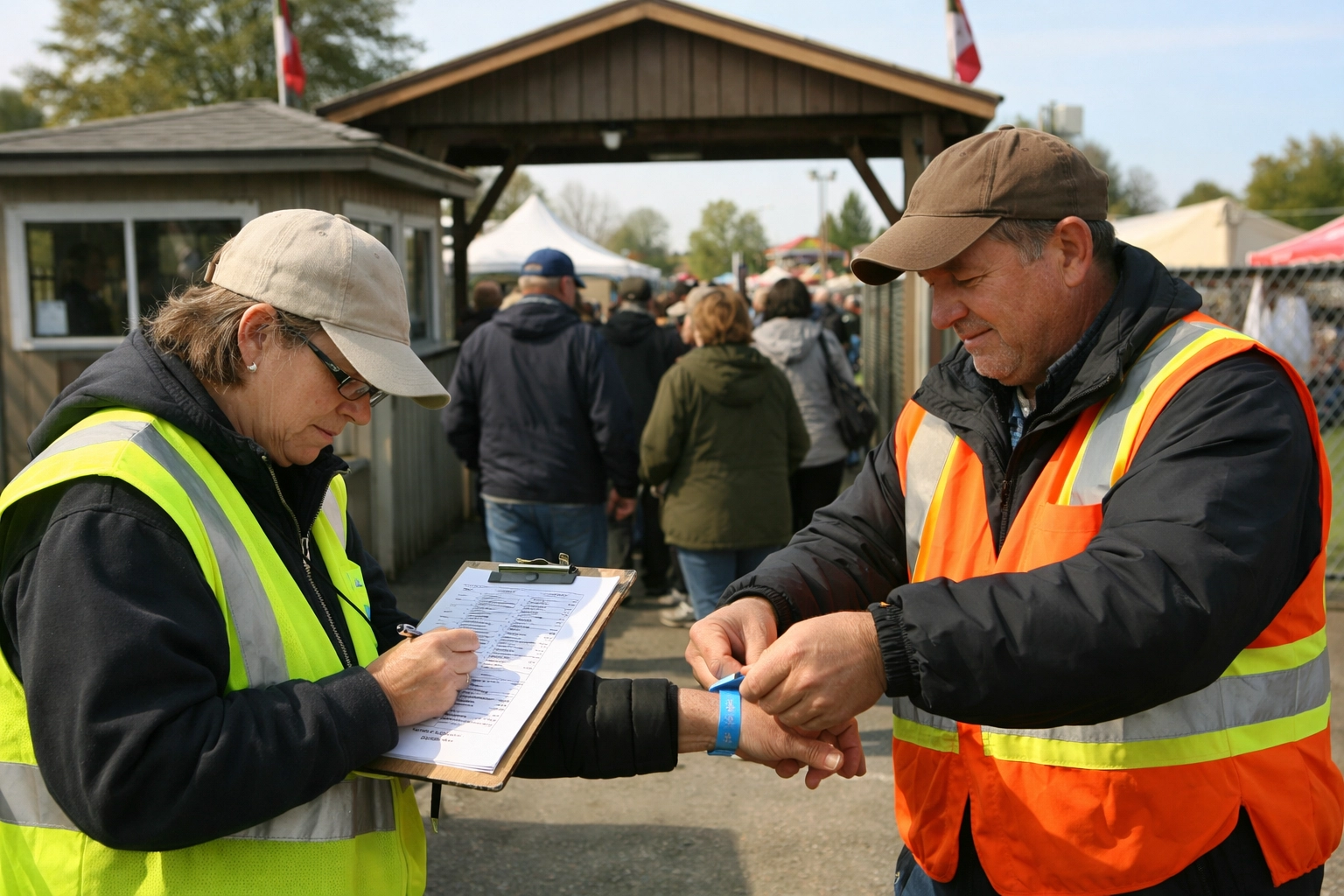
During the fair, everyone is stressed. And this is where The Spreadsheet Trap shows up: you try to schedule people for 12-hour shifts.
People will bail on a 12-hour shift. But they’ll show up for an “Hour of Power.”
The hack: a sign-up sheet specifically for high-intensity, short-duration tasks
Examples:“The Trash Dash” (one hour of bin clearing) or “The Gate Sprint” (one hour during the lunch rush)
Why it works: it turns a chore into a challenge—and it’s easier to find ten people for one hour than one person for ten
4. The "Reviewer" Role (Thought Narration)
Sometimes you don’t need doers.
You need a quick brain you trust.
But those people are usually the busiest ones in town.
You’re thinking, “If I ask them for anything, they’ll say no.” Actually, they might say yes… when you give them a tiny box to stand in.
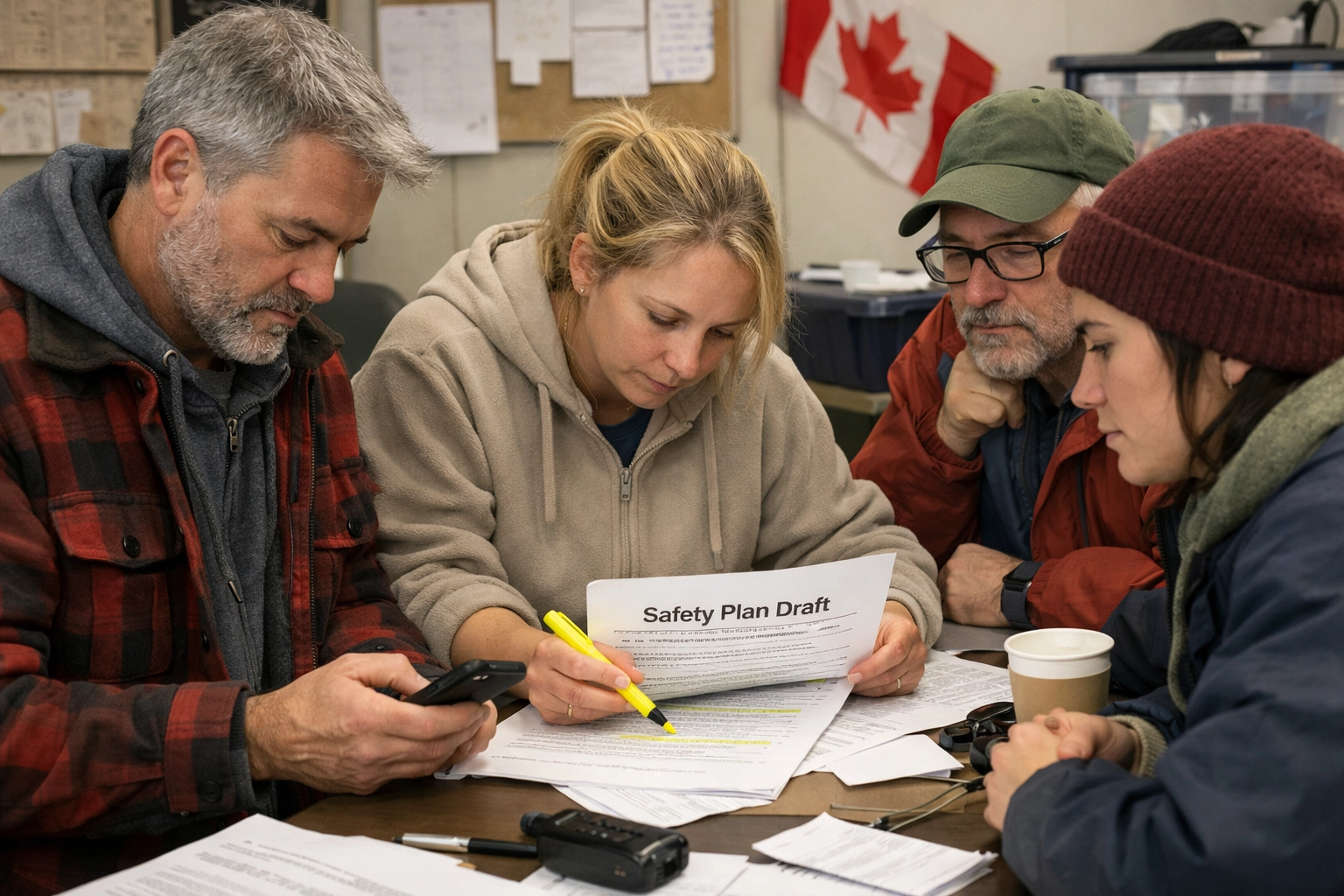
The micro-task: email them a draft safety plan or vendor contract and ask for 20 minutes of feedback
The trap: don’t invite them to the “Operational Planning Meeting”
The embedded truth:when you respect their time, they’ll respect your ask
5. Create a "Resource Library" for One-Off Tasks
Volunteer burnout prevention starts with documentation.
Because when a volunteer has to spend three hours figuring out where the keys are before they can start their “one-hour task”…
You’ve already lost them.
This is The Mystical Binder Problem: the info exists, but it lives in one person’s head (or in a binder everyone is afraid to touch).
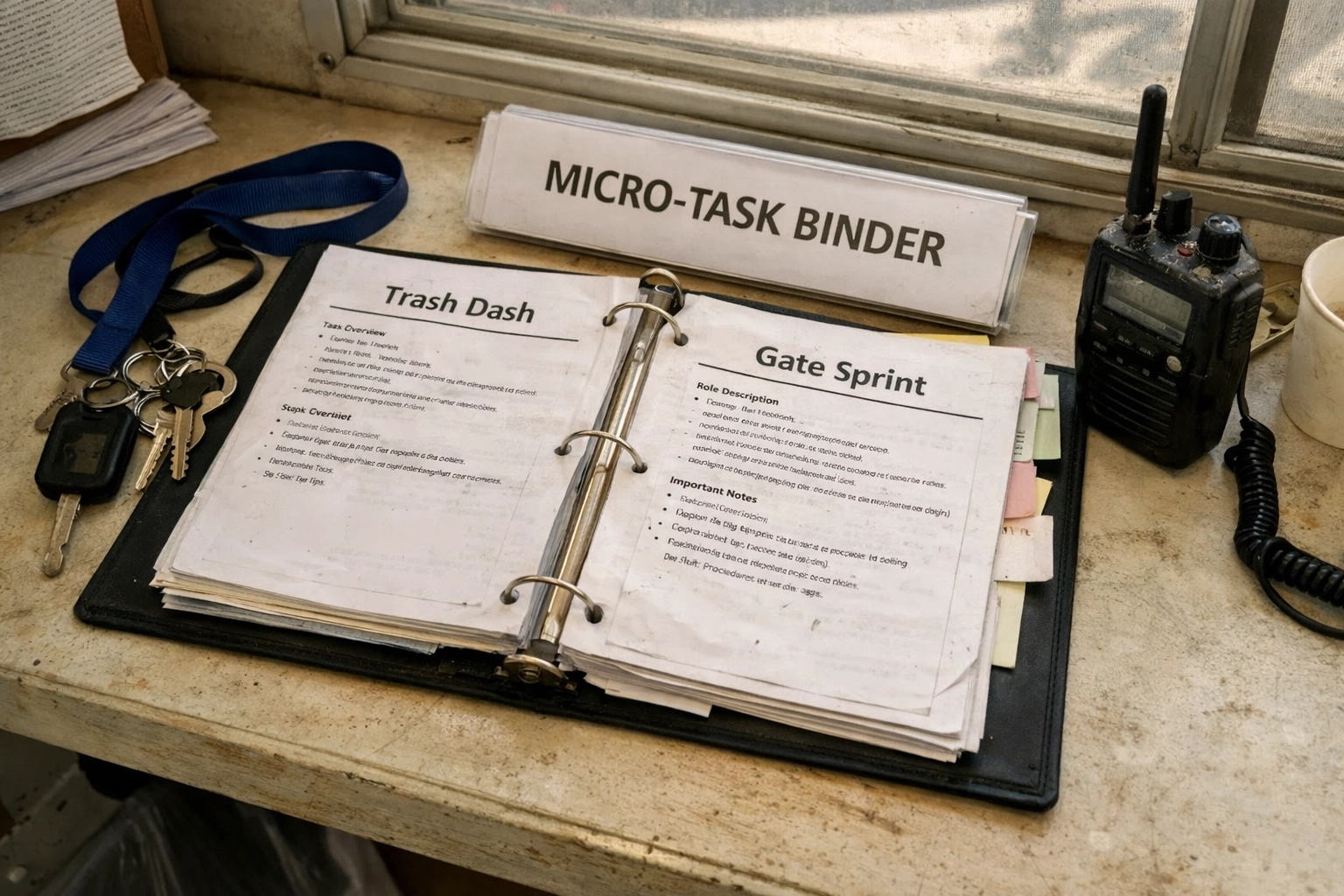
The hack: build a Micro-Task Binder—every task gets a one-page “How-To”
The goal: a stranger can walk in, read one page, and finish the task without hunting you down
The observation: this is how you move from person-dependent to system-dependent
Moving from Control to Direction (Without Losing Your Mind)
You might be thinking, “Kryssie, if I break everything into small pieces, I’ll spend all my time managing a hundred people instead of five!”
That’s only true when you don’t have a simple handoff system.
Actually, managing 100 people doing one hour is safer than managing one person doing 100 hours.
Because when the 100-hour person gets sick, moves away, or suddenly decides they like sleeping on weekends…
Your fair goes into a tailspin.
But when one micro-volunteer drops out?
It’s just a 15-minute hole to fill.
This is the difference between a board that controls everything and a board that directs systems.
Here’s the part most people miss (and it changes everything):
Micro-volunteering isn’t “less commitment.” It’s clearer commitment.
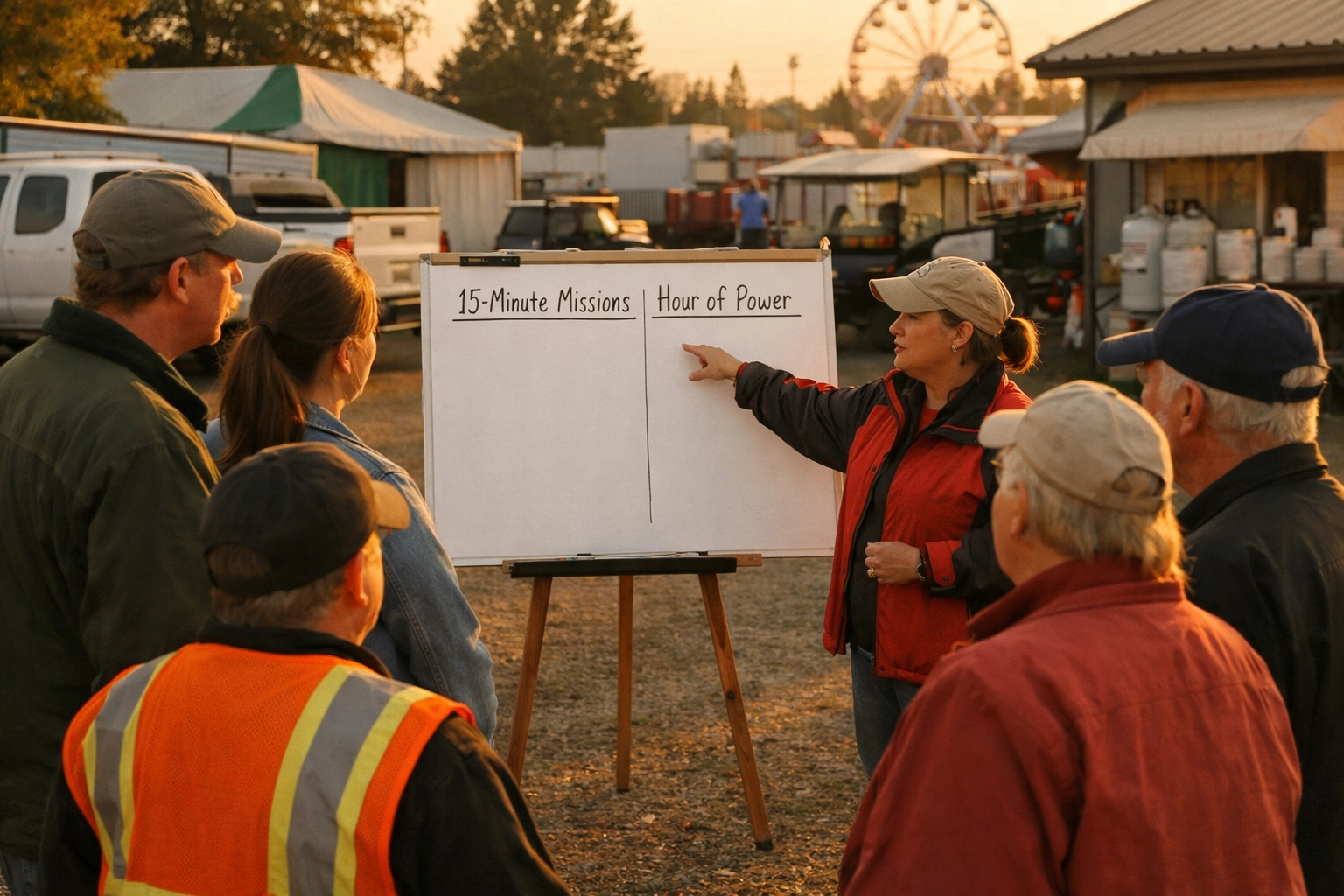
When you start implementing these hacks, the energy in the room changes. You stop being the person who begs for help and start being the person who offers small, safe ways to say yes.
Stop the Micromanagement Cycle
Let’s use a negative frame for a second, because it’s real:
When you keep insisting on Big Roles, your board keeps aging out, your volunteers keep burning out, and eventually…
the gates don’t open.
Not because people don’t care.
Because the asks are too big to survive modern life.
But it doesn’t have to be that way.
Start small:
pick one “Big Committee” role that’s been vacant for a year
pull up the job description
actually cut it into three micro-tasks with finish lines
post those as “Bite-Sized Help Needed”
You’ll be surprised who shows up when they know they can leave after an hour.
If you’re ready to stop the "All-or-Nothing" madness and actually build a system that works for your volunteers (and your sanity), let’s talk. You can work with me to map out a governance structure that doesn't rely on miracles and caffeine.
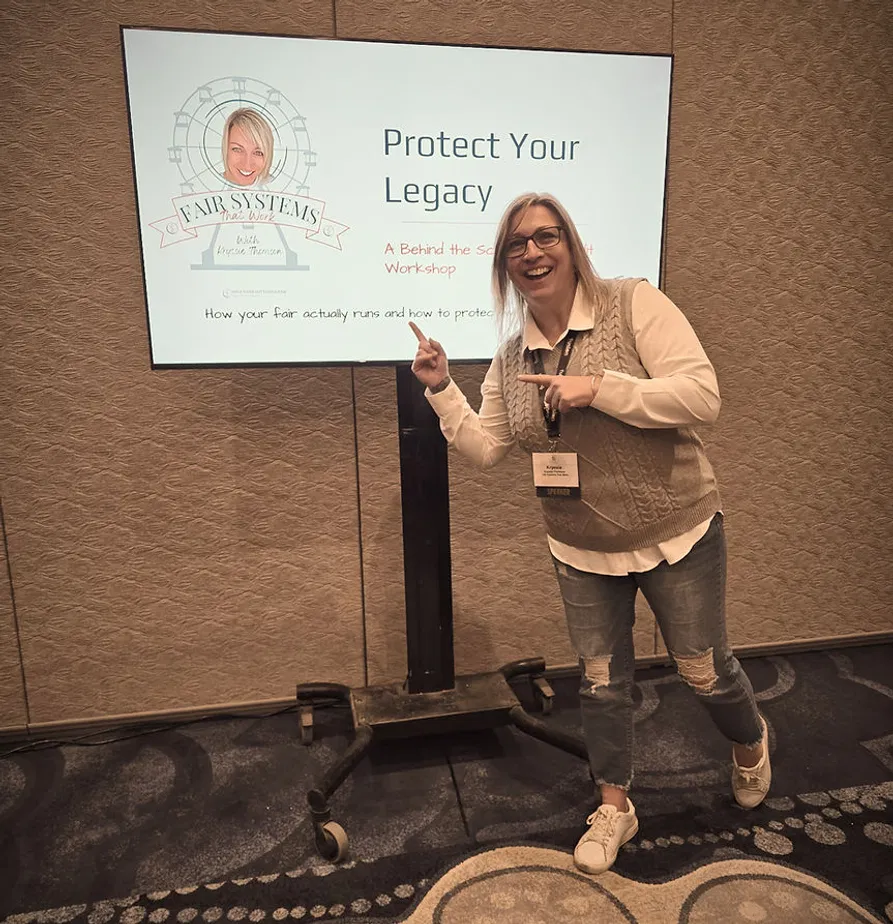
Your fair deserves a future where the board isn't exhausted before the first ribbon is pinned.
Let's build that together.
Need more help?
Join our community at the Borrow My Genius: Fair Organizers Network.
Ready to fix the foundation? Book an appointment for a 60-day Strategy Build.
Still not sure where to start? Grab our Quick Audit ebook to see where your system is leaking.
Fair Systems That Work. Because you shouldn't have to be a martyr to host a midway.
Comments