Clap For Others Until It’s Your Turn: Culture Building at Fairs

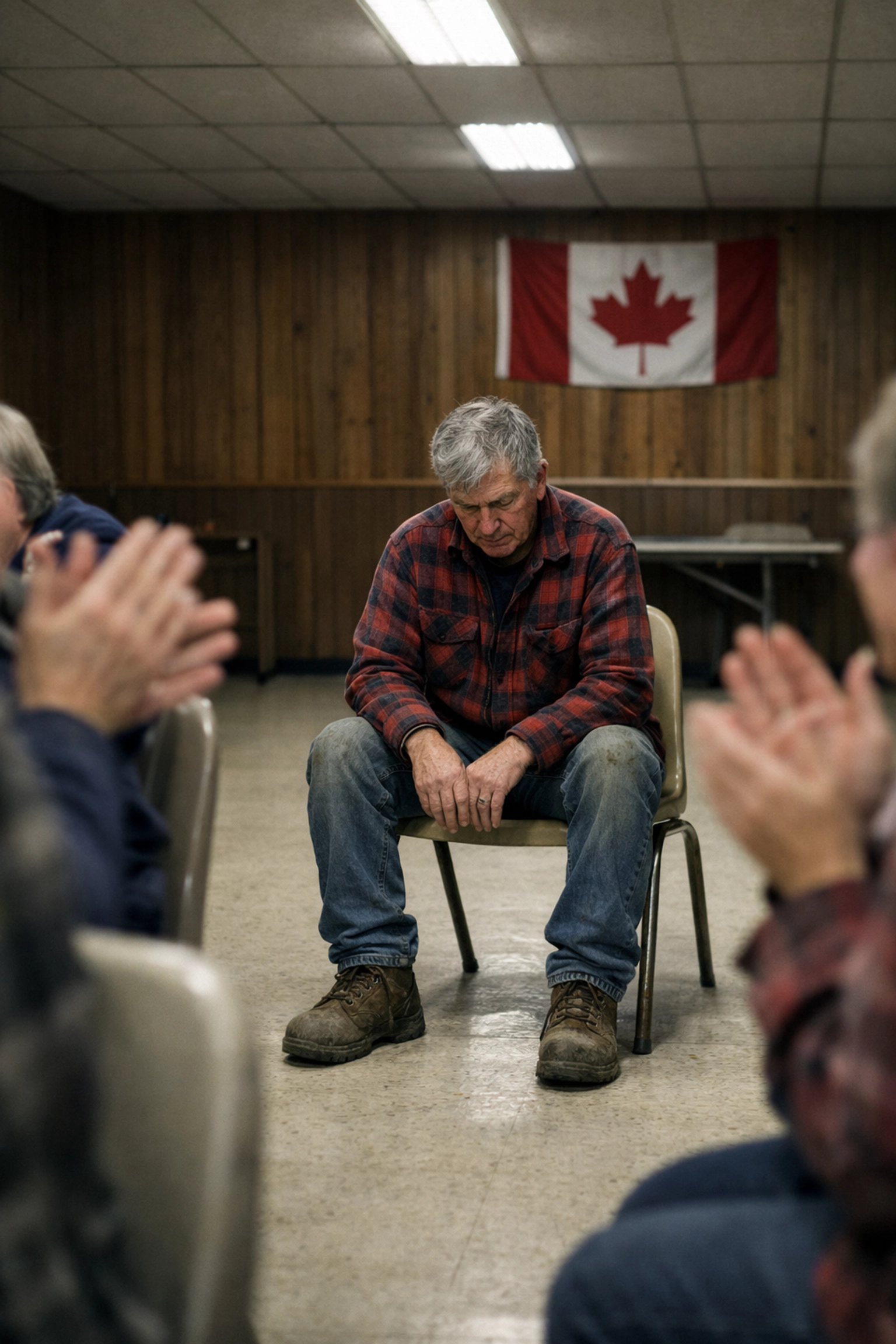
The coffee is lukewarm.
The chairs are that specific kind of hard plastic that makes your lower back ache after twenty minutes.
You are sitting in a drafty community hall at the end of the volunteer appreciation night.
A young woman: let’s call her Sarah: just got recognized for tripling the fair’s social media reach in six months.
She is beaming.
Most of the room is clapping.
But then there is Jim.
Jim is in the back row.
He has been on the board for thirty years.
He is not clapping.
He is staring at his boots.
Jim is protecting his turf.
He thinks Instagram is a distraction from the real work of the fair.
He is waiting for the part of the night where they talk about the tractor pull he has managed since 1994.
He wants his turn.
But he cannot bring himself to celebrate hers.
The Poison of Main Character Energy
Jim is not a bad guy.
He has given thousands of hours to the community.
He has bled for this fair.
But Jim is suffering from a condition I see in boards across the country.
He treats recognition like a limited resource.
In Jim’s mind: if Sarah gets the spotlight: there is less light left for him.
This is Main Character Energy at its most destructive.
It happens when a department head views their area as the only area that matters.
When we stop clapping for others: we start building walls around our own relevance.
That is the exact moment your culture begins to rot.
Every fair has a Jim.
And every fair has a Sarah.
Fairs survive on the bridge between them.
If your board culture feels like a competition for the spotlight: your best volunteers will eventually find somewhere else to shine.
People do not leave fairs because the work is heavy.
They leave because the "thank you" feels like a zero sum game.
The Silo Trap
Fairs are accidentally designed to thrive on silos.
The Livestock committee lives in the barns.
The Homecraft committee lives in the exhibit hall.
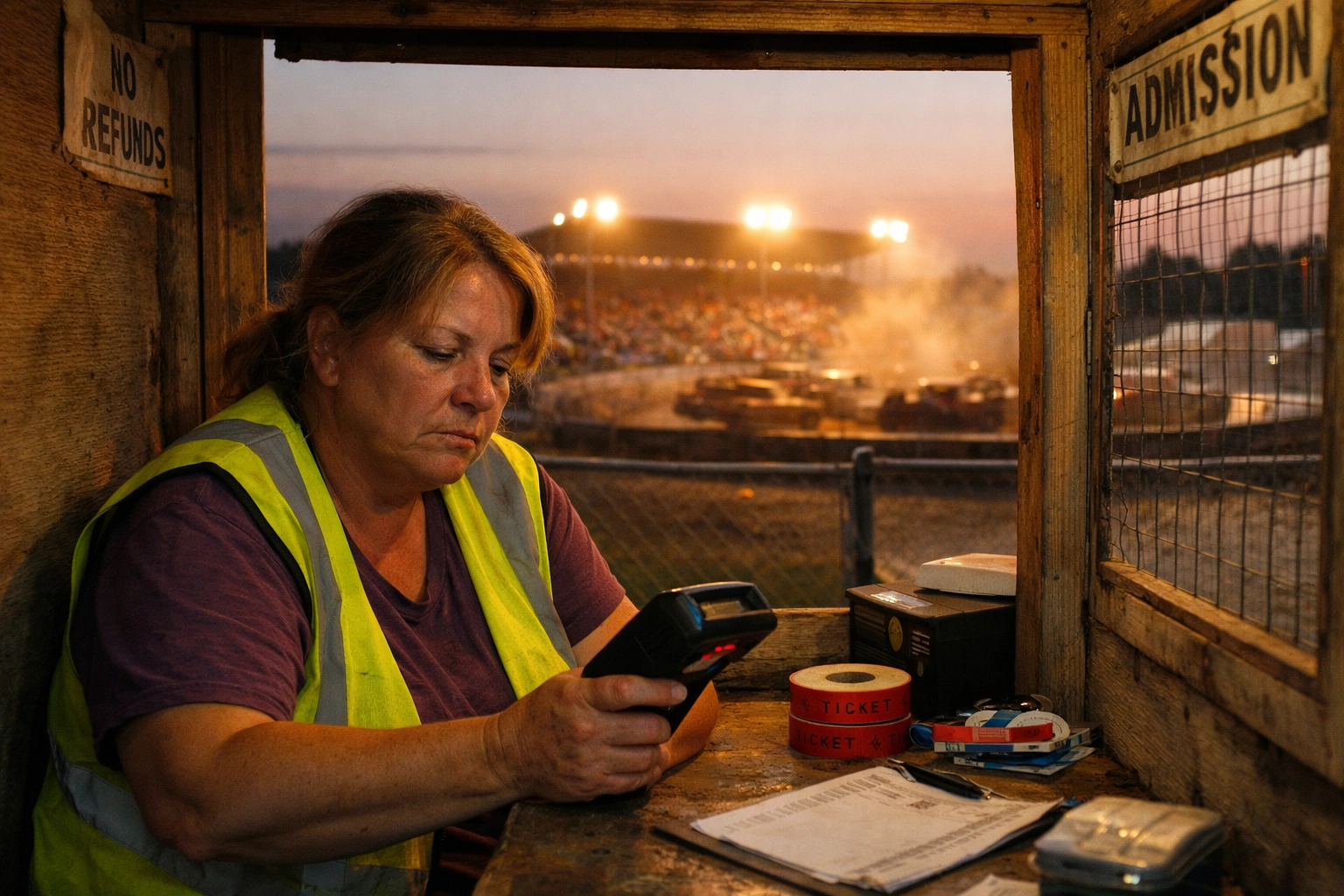
The Gate committee lives in a tiny booth at the entrance.
When things are busy: these groups rarely speak to each other.
This creates a "my department first" mentality.
You see it when one department is winning while another is drowning.
The Demo Derby is sold out and high-fiving: while the volunteer at the gate is getting screamed at because the scanner is broken and no one came to help.
The Demo Derby crew doesn't clap for the gate crew.
They don't even see them.
A fair is an ecosystem: not a collection of independent kingdoms.
When we stop caring about the person in the other building: we create single points of failure.
If Jim is the only one who knows how the tractor pull works: and Jim refuses to celebrate anyone else: Jim becomes a bottleneck.
He hoards the "how-to" like a state secret.
He uses his knowledge as a shield.
This isn't leadership.
It's gatekeeping.
Leadership Is Being the Loudest Cheerleader
True leadership is not about being the one on stage with the plaque.
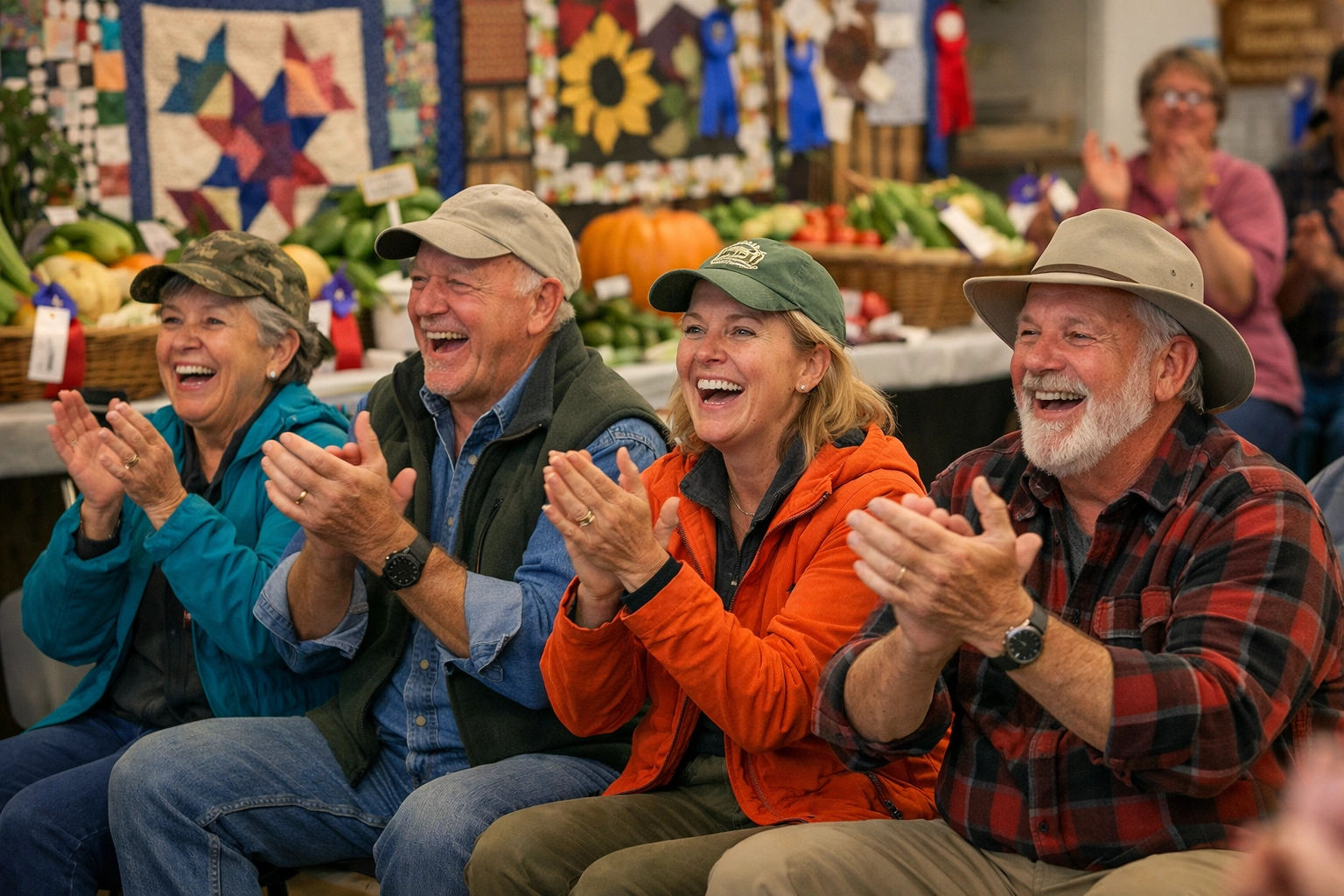
True leadership is being the loudest cheerleader for the person next to you until it is your turn to lead.
It is realizing that when the Homecraft department has a record-breaking year: the whole fair wins.
It means understanding that Sarah’s Instagram posts are the reason people showed up to Jim’s tractor pull in the first place.
Everything is connected.
As a board member: your job is to scan the room for wins that aren't your own.
You need to be the guide who shows the Jims of the world that there is enough light for everyone.
Culture is built in the silence between the claps.
It is built in the way you speak about other departments when they aren't in the room.
If you want a board that survives the next decade: you have to kill the "turf war" mentality today.
You deserve a board that celebrates the wins together.
You deserve a system that protects the people who do the work.
Solid Solutions to Build a Better Culture
We cannot just wish for a better culture.
We have to build the plumbing that allows it to flow.
Here are four ways to stop the rot and start the clapping.
1. The Front-Row Rule
This is a simple commitment.
Board members should make it a point to attend and cheer at events they are not running.
If you are the Livestock lead: show up to the opening of the Homecraft show.
Be in the front row.
Clap loudly.
When volunteers see leaders supporting other departments: the silos start to crumble.
It sends a message that we are one team.
It breaks the cycle of "I only care about my barn."
2. Kill the Gatekeeping
Culture rot happens when people hoard information to stay powerful.
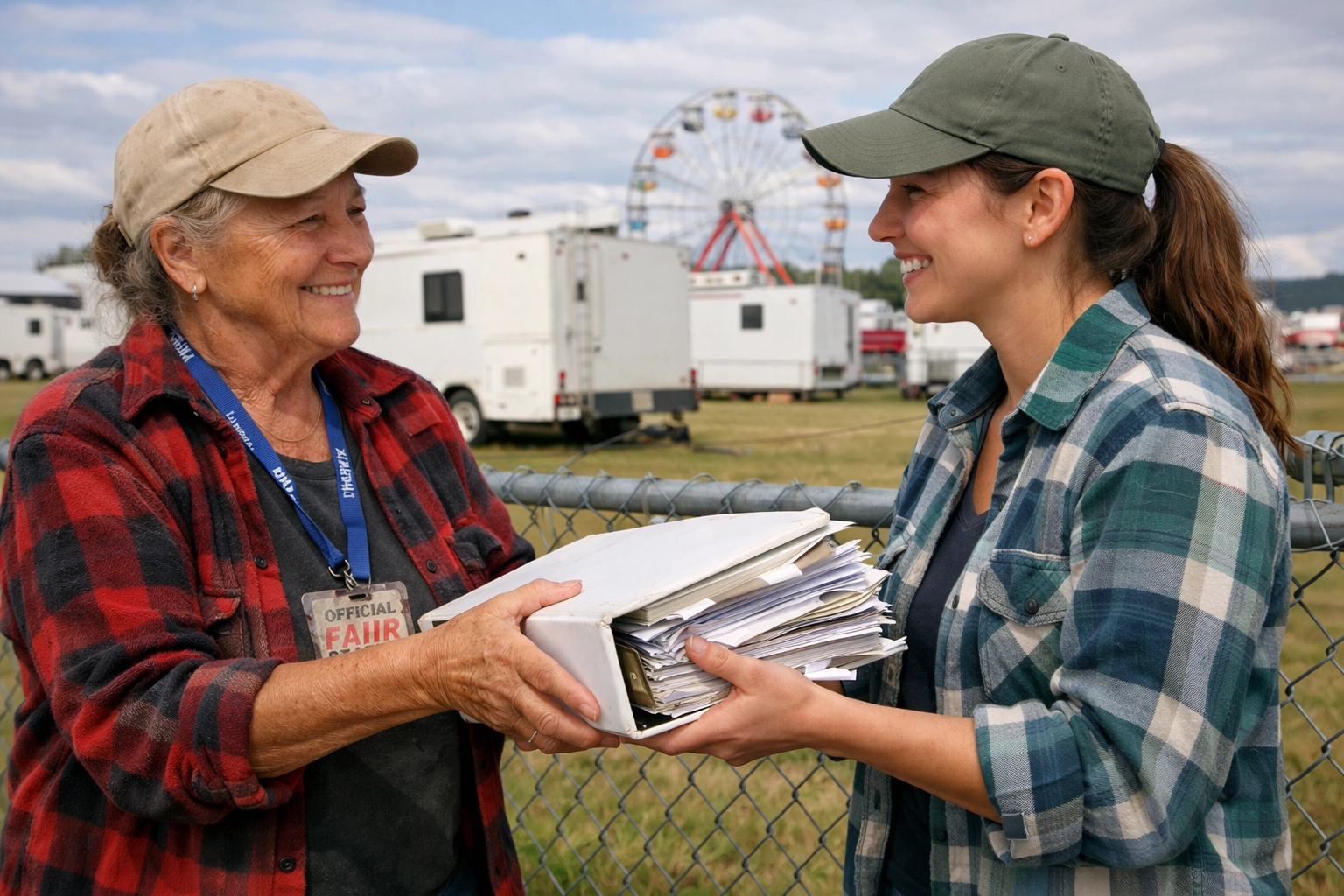
We have all seen the "Mystical Binder."
It is the dusty: coffee-stained folder that only one person is allowed to touch.
Documentation is an act of respect for the person coming after you.
When you document every process: you are saying: "I want you to succeed even when I am not here."
Transparency is the ultimate clap for your successor.
Stop letting people hold the fair hostage with "the way we’ve always done it."
Put it on paper.
Share the keys.
Let the light in.
3. The 5-Minute Hype
Every single board meeting should start the same way.
Spend five minutes strictly celebrating someone else’s win.
There is one rule: No "buts."
You cannot say: "Sarah did a great job on social media: but the posters were late."
You celebrate the win: and you stop talking.
This trains the brain to look for the good in other departments.
It sets a tone of gratitude before you dive into the budget and the stress.
It reminds everyone why they showed up in the first place.
4. Succession as Success
We need to change the narrative around "stepping down."
In many fairs: leaving a role is seen as quitting or "giving up."
We need to treat a successful hand-off as the highest achievement a volunteer can reach.
Celebrate the person leaving as much as the person coming in.
If Jim spends a year training a replacement: that is a bigger win than thirty years of doing it alone.
Build a culture where "passing the torch" is a victory lap.
When we celebrate the hand-off: we make room for new energy without hurting the old guard’s feelings.
Build the System That Lasts
You are the one who has to steer this ship.
You see the friction.
You feel the tension in the board meetings when two departments start bickering over tablecloths.
It is exhausting.
But you don't have to do it alone.
Stop fighting for the spotlight and start building the structure that lets everyone win.
Your fair's legacy isn't built on how many tractors showed up this year.
It is built on how the people in that drafty hall feel about each other when the lights go out.
You can fix the culture by fixing the systems.
You can turn the silence into a standing ovation.
Start My Audit
If your board meetings feel more like a turf war than a community event: it is time to look at the plumbing of your organization.
Kryssie can help you find where the leaks are.
We build systems that take the weight off your shoulders.
We help you move from caffeine and guilt to calm and organized.
Let’s get your board clapping again.
P.S. Still struggling with a "Mystical Binder" situation? Send an email to Support@fairsystemsthatwork.com and let's talk about how to get that knowledge out of the shadows and into a system that actually works.
Comments