Calm is the New Power Move: Leading Your Fair Board Without Losing Your Mind

Let’s be honest.
There’s a moment, usually right after someone says, “That’s not how we used to do it,” where your jaw tightens and your eyes start to twitch.
And your brain goes:
Awesome. We’re doing tradition theatre again.
You start mentally checking which mug is closest to your hand, and it isn’t because you want a refill of lukewarm coffee.
You care deeply. You’ve poured years into this fair.
But when the same conversations keep looping, you start to wonder if you’re the problem for caring this much.
You’re not.
You’re just trying to hold fair governance together while everyone else is freestyle wrestling in the meeting.
That works.
Until it doesn’t.
And when it doesn’t, it’s not just “awkward.” It’s expensive.
In volunteer time. In community trust. In your own headspace.
When a Board Meeting Turns Into “Napkin Court”
You’re in a basement meeting room or a dusty fair office, and the clock is sliding toward midnight.
But the debate isn’t about the gate plan.
It’s not about the volunteer schedule.
It’s about the colour of napkins in the VIP tent for the third hour in a row.
Passion is the lifeblood of our fairs. But when it isn’t guided, it turns into a barn brawl… with minutes.
And when you’re stuck in Napkin Court, you can feel the shift in your own body.
Thoughts like:
Why am I the only one worried about the big stuff?
Do I say something… or do I just let it go so we can all get home?
Here’s the negative frame nobody says out loud:
When the meeting burns your energy, the fair loses your leadership.
Because you can’t run strong agricultural fair management on fumes.
Not sustainably.
Not without a cost.
The Trigger Isn’t the Comment. It’s What the Comment Means.
Here’s the thing: leadership isn’t just about having the best systems; it’s about self-regulation.
But let’s make it fair-real.
When someone hits you with “we’ve always done it this way,” the trigger usually isn’t the sentence.
It’s what you know comes next, because it always does:
the decision stalls
the same two people do the work (again)
your volunteer management systems turn into “please just help, I’m begging”
important risks don’t get discussed because everyone’s tired
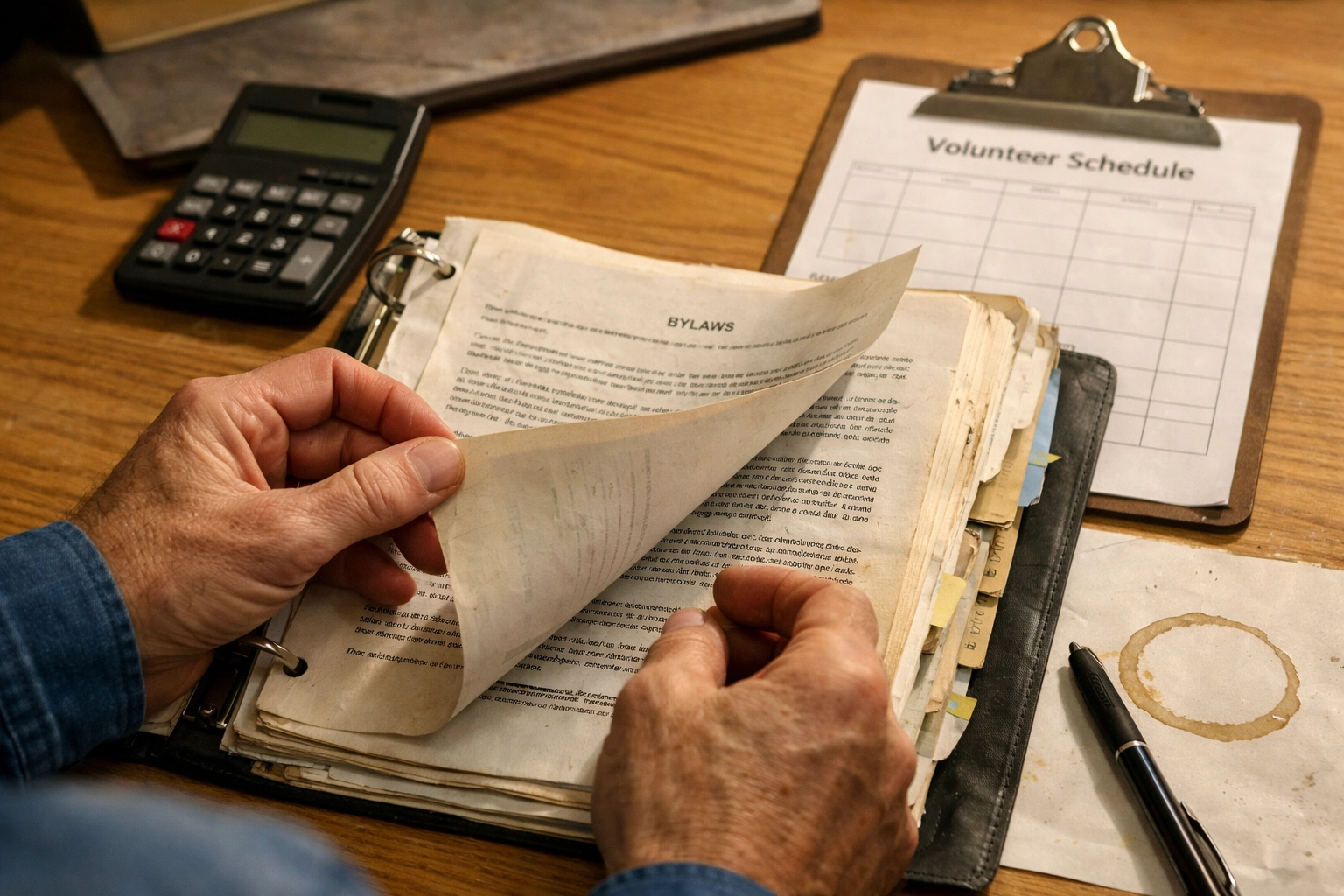
and the Mystical Binder becomes the final authority, like it’s a sacred text
Most “conflict resolution” advice was written for cubicles and quarterly reports.
But you’re trying to run a fair.
With neighbours.
And cousins.
And that one volunteer who can find the breaker panel blindfolded.
So yes—you need tools to stay calm when someone’s pushing your buttons.
Because when you lose your cool, you hand the wheel to the person who wanted the reaction.
That’s not fair governance. That’s emotional outsourcing.
Reframe the Friction: Turn Feelings Into Fair Governance
In the world of agricultural societies and local exhibitions, the lines between professional and personal are basically gone.
These are your neighbours, your friends, and sometimes your cousins.
The stakes feel higher because they are.
So when corporate advice says, “Leave emotion at the door,” you’re like… With what door? This is a community hall.
Instead of trying to suppress the emotion, you reframe it.
Here’s the trick I teach boards:
Translate interpersonal heat into governance language.
Not:
“You’re being unfair and stubborn.”
But:
“What decision are we making tonight?”
“Who owns this, and who supports?”
“What’s the risk if we decide this without info?”
“What does this mean for volunteers on fair week?”
This is how you move from the Mystical Binder (unwritten rules + secret history) to documented volunteer management systems.
And yes—this is agricultural fair management.
Not vibes.
Not who talks loudest.
Actual structure.
The Calm Standard: Holding the Line Without Starting a Fire
Here’s what happens when you take your emotions back.
You stop letting other people’s bad behaviour become your bad day.
You stop being the person who has to fix everyone’s feelings.
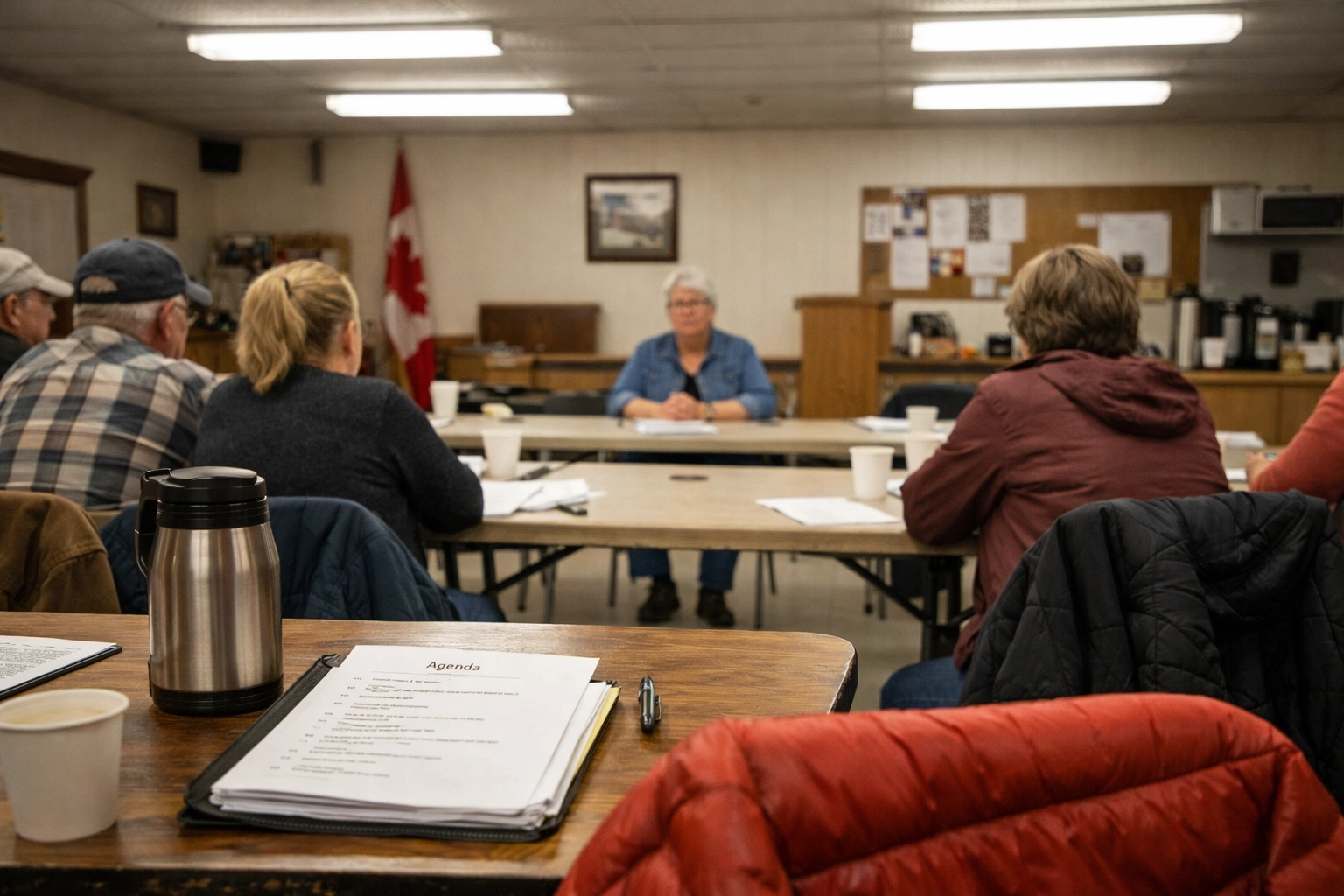
And you become the person who holds the standard.
Now here’s the contrast word moment:
You don’t hold the standard by getting tougher.
You hold it by getting calmer.
Because when you show up steady, the “boardroom legend” loses their leverage.
And when you stop reacting, something becomes obvious fast:
When a board can’t handle calm structure, it wasn’t a “communication problem.” It was a governance gap.
That gap shows up everywhere—committees, emails, volunteer recruitment, fair week.
That’s why this matters to fair governance and volunteer management systems, not just your mood.
The Operational Power of a Level Head
Staying calm isn't just about feeling better; it's about operational excellence.
A calm leader sees the gaps in the gate plan that a panicked leader misses.
A calm board makes decisions based on risk and longevity, not on who is the angriest in the moment.
When you are self-regulated, you can:
✅ Hold your ground without raising your voice.
✅ See the trigger coming and choose how to respond.
✅ Stay centred even when someone else is losing it.
✅ Leave the room proud of how you handled it.
This is how we protect the fair's legacy: by ensuring the leadership is as sturdy as the grandstands.
Moving from Burnout to Emotional Strategy
You’re not broken, and you’re not "too sensitive." You’re just burnt.
You’ve been trying to hold the whole fair together with two volunteers, a dusty binder, and sheer optimism.
No amount of coffee can fix a system that’s missing its emotional parts.
This isn't therapy; it's an emotional strategy for leaders who give a damn.
It’s coaching that feels like coffee with someone who actually gets what it's like to manage a volunteer board.
We focus on the mechanics of how you show up, so you can lead without losing yourself.
If your board dynamics are turning into a barn brawl, it’s time to change the one thing you actually can: yourself.
Calm Is the New Power Move
Picture this: the next board meeting arrives.
The same person says the same annoying thing they’ve said for the last ten years.
But this time, your jaw doesn't tighten. Your pulse doesn't spike.
You listen, you acknowledge, and you move the conversation back to the goal without breaking a sweat.
Meetings don’t drain you anymore because you’ve built a protective system around your peace.
That’s what we do at Fair Systems That Work. We help you build the structures: both operational and emotional: to keep the show going.
You can lead with pride, respect, and a very cool head.
Your Challenge This Week
I want you to pick one "trigger" person or topic that usually ruins your mood.
The next time it comes up, count to three before you speak.
In those three seconds, remind yourself: "I own my reaction. They don't."
It’s a small move, but it’s the start of a massive shift in your leadership.
When you’re ready to turn that small move into a full, practiced strategy for your board, I’m here to help.
Let's stop the cycle of burnout and start building a legacy of calm.
For more resources on fair governance and operational systems, visit Fair Systems That Work or contact us at Support@fairsystemsthatwork.com.
Comments