Board of Directors Roles 101: A Guide to Mastering Your Ag Society Governance
- Kryssie Thomson

- Mar 16
- 6 min read
It’s 8:14 PM on a Tuesday in a drafty community hall. The furnace is humming a low, mournful tune, and the coffee in your foam cup has developed a thin, questionable film. You’re sitting there, staring at the crumbs of a solitary honey cruller, wondering how a group of twelve incredibly capable adults can spend forty-five minutes debating the exact shade of yellow for the new volunteer t-shirts while the insurance renewal sits unsigned on the table.
When the meeting drifts into the weeds, it’s usually because no one actually knows where their lane begins and ends.
You’ve seen it happen. You might even be living it. You’re the one who showed up to "help out with the kids’ zone" three years ago, and now you’re suddenly responsible for the entire livestock schedule and the security contract. You’re feeling that familiar twitch in your eyelid because the lines between "helping out" and "running the whole show" have completely evaporated.
But here is the thing: a board that tries to do everything usually ends up accomplishing very little.
Actually, most Ag Society boards aren't suffering from a lack of passion. They’re suffering from The Lone Ranger Syndrome. That’s when one or two people carry the entire mental load of the organization while everyone else waits to be told what to do.
And in your head, it sounds like: “It’s fine. I’ll just do it. It’ll be faster.”
That works. Until it doesn’t.
Because this is how you end up at the Burnout Cliff—one more “quick favour” away from quitting mid-meeting and never coming back. It’s also how your fair’s legacy quietly ends… when the Lone Rangers finally tap out and the whole machine realizes it doesn’t know how to run without them.
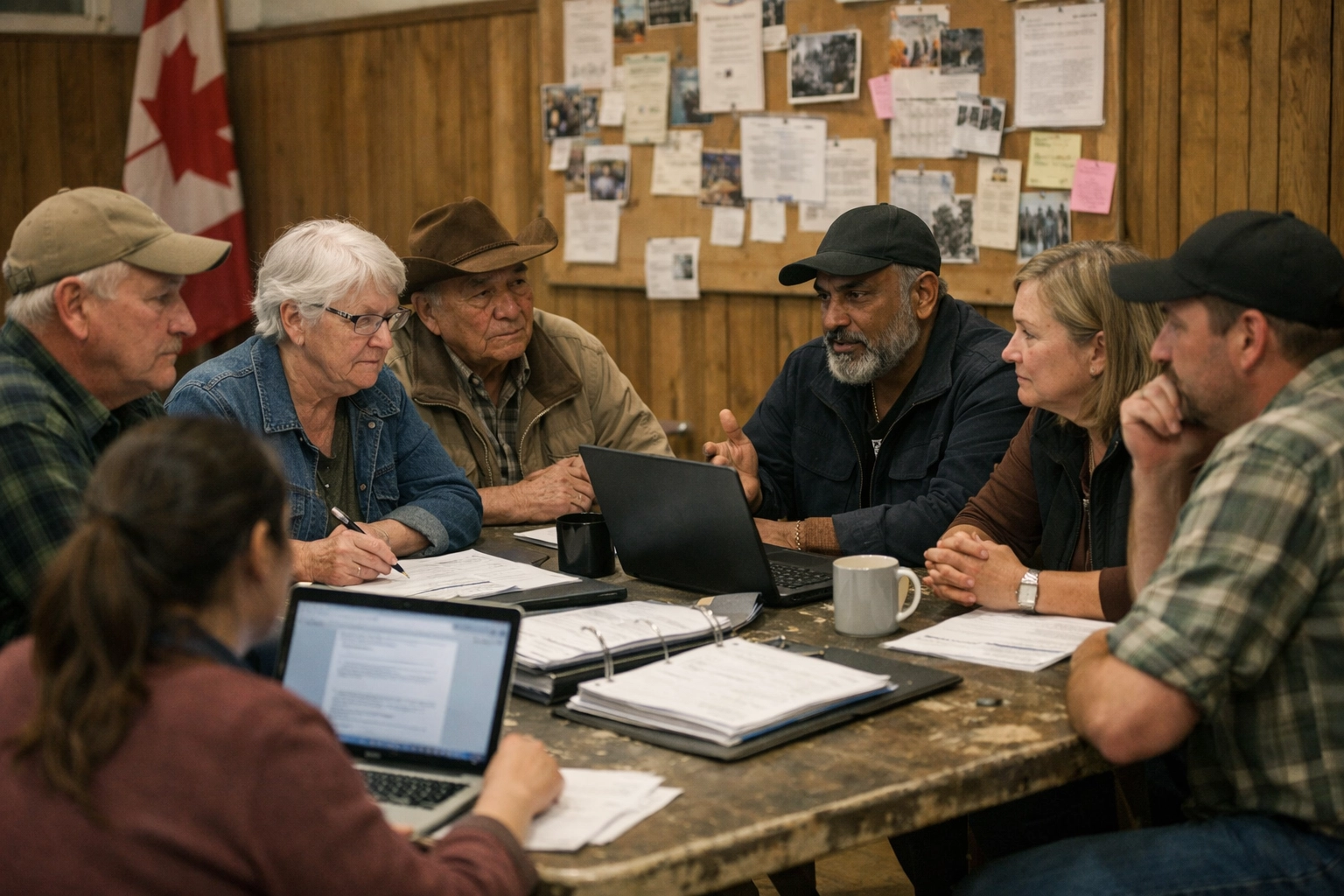
The Air Traffic Controller (The President)
When the President walks into the room, people often expect a "Boss." They think this person is the CEO of the Fair, the tie-breaker for every petty argument, and the one who should know where the keys to the tractor are kept.
Actually, a good President isn't the Boss; they are the Air Traffic Controller.
Their job isn't to fly every plane. Their job is to make sure the planes don't crash into each other. When the President starts micromanaging the concession stands, they stop looking at the horizon. They miss the looming storm clouds of declining membership or shifting provincial regulations.
When the President becomes the "Everything Everywhere All At Once" Director, the board loses its vision.
The President’s primary role is governance: overseeing the "Chief Executive" (even if that person is a volunteer), setting the strategic direction, and ensuring the board stays on track. If your President is currently the one hauling garbage bags at 11 PM on fair Sunday, you don’t have a President; you have a high-level volunteer with a fancy title and a looming case of exhaustion.
The Guardian of the Ledger (The Secretary)
We’ve all met The Ghost Secretary. This is the person who takes notes on a napkin, promises to email them out "by Friday," and then vanishes into a digital witness protection program until the next meeting.
And the little voice in your head goes: “Cool. So we’re voting on this with… vibes?”
But minutes aren't just a record of who said what; they are your legal shield.
This is where Shadow Liability shows up. Quietly. Patiently. Waiting for the day someone asks, “Who approved this?” and all you’ve got is a half-remembered conversation and a coffee-stained agenda.
Think of the Secretary as the Guardian of the Ledger. When a dispute arises three years from now about a contract or a board decision, those minutes are the only thing standing between your Ag Society and a massive headache. They manage the "Mystical Binder": that physical or digital repository of every decision, policy, and piece of correspondence the society has ever had.
You’re sitting there wondering why you’re the only one who read the minutes before the meeting, but the reality is, when they aren't clear, no one will read them.
A great Secretary ensures that the history of the fair is preserved. Without them, you are doomed to repeat the same mistakes every single year because "that’s how we’ve always done it," even if "how we’ve always done it" resulted in a $5,000 loss last time.
The Vault Keeper (The Treasurer)
Then there is the Treasurer. In many small Ag Societies, the Treasurer is The Hoarding Treasurer. They have a shoebox full of receipts under the seat of their truck and a spreadsheet that only they can decipher.
When the audit happens: and it will: the shoebox method will not save you.
The Treasurer’s job is more than just balancing the chequebook. They are the fiduciary watchdog. They protect the assets and member investments. They should be providing clear, skimmable financial reports that don't require an accounting degree to understand.
When your board is voting on a $20,000 grandstand repair without seeing a budget, you aren't governing; you’re gambling.
The Treasurer ensures that the society remains solvent so that the gates can actually open next year. They should be the ones saying "No" when the board wants to buy a gold-plated cotton candy machine they haven't budgeted for.
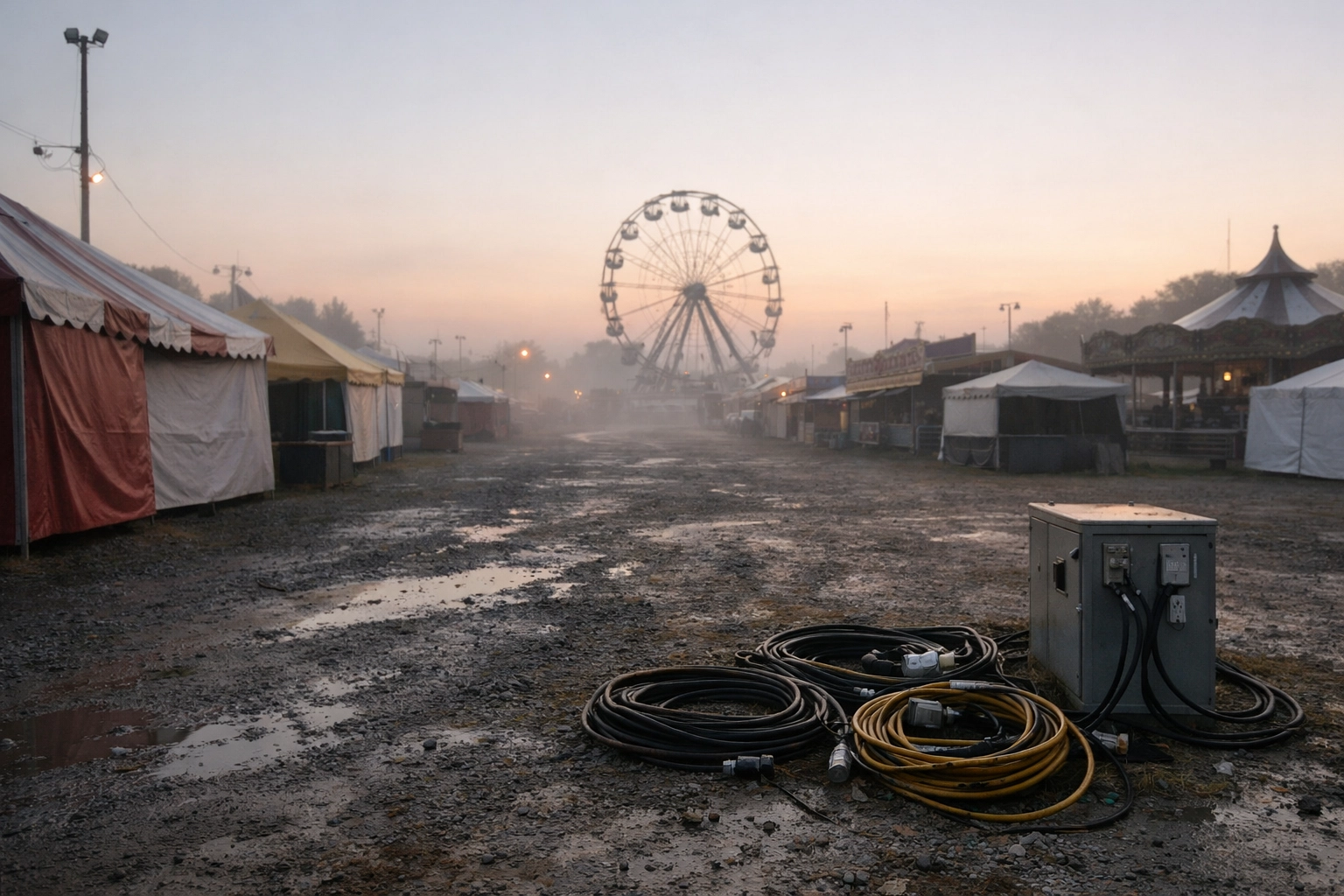
The Extension Cord Octopus (Board vs. Management)
This is where the wheels usually fall off the wagon. In the world of Ag Societies, the line between "Governance" (The Board) and "Operations" (Management/Committees) is often as blurry as a photo of a prize-winning pig taken through a fence.
That messy space between the board table and the people actually running the day-to-day?
That’s The Governance Gap.
And when The Governance Gap opens up, The Extension Cord Octopus moves in.
When the board starts debating which brand of toilet paper to buy for the grandstand, they have officially become the Extension Cord Octopus.
You can feel it happening in real time. Someone asks a simple ops question and your brain goes: “Please don’t let this turn into a 30-minute toilet paper summit.”
They are reaching their tentacles into every tiny operational detail, tangling themselves up in things that don't actually matter to the long-term health of the society. The Board’s job is to set the Policy: to say "The washrooms must be clean and stocked." Management’s job is to decide which brand of paper to buy and who is going to put it in the stalls.
But here’s the thing: when you don't trust your committees to do their jobs, you end up doing them yourself.
And that’s how you accidentally build The Burnout Cliff right into your org chart.
This creates a culture of "The Invisible Volunteer." Why would anyone step up to run the horticulture show if the board is going to second-guess the colour of the ribbons every five minutes? By staying in the governance lane, the board empowers others to take ownership of the operations.
Avoiding the Burnout Crash
If you're reading this and feeling a heavy weight in your chest, it’s probably because your board is currently a collection of Lone Rangers instead of a cohesive team with defined roles.
And the thought you don’t say out loud is: “I can’t do another season like this.”
When roles aren't defined, the loudest voice in the room usually wins, regardless of whether they have the best idea.
This leads to a revolving door of directors. People join because they love the community and the tradition, but they leave because they’re tired of the chaos. They leave because they signed up to be a Director, but they feel like a glorified errand runner with no clear purpose.
Here’s the negative frame, plain and simple:
Shadow Liability: poor records and fuzzy decisions don’t just feel messy—they can come back as real consequences later.
The Burnout Cliff: when your most reliable people are always “fine” until the day they’re gone.
It might not happen this year. It might not happen next year. But eventually, the "Legacy Trap": relying on the same three people to do everything: will snap shut. Those people will move away, get sick, or simply get tired of the lukewarm coffee and the 10 PM meetings.
Building a System That Works
Mastering your governance isn't about adding more layers of bureaucracy. It’s about creating clarity.
The President keeps the meeting on track and the vision clear.
The Secretary ensures the paper trail is bulletproof.
The Treasurer keeps the lights on and the books clean.
The Directors provide the diverse perspectives and oversight needed to make smart decisions.
Actually, a well-run board meeting should feel shorter, more productive, and: dare we say it: even a little bit fun.
When everyone knows their role, the "Extension Cord Octopus" retreats. You stop arguing about napkins and start talking about how to engage the next generation of farmers. You stop worrying about who has the keys and start focusing on the long-term sustainability of the grounds.
When the gates open on fair morning, you want to be standing there with a sense of pride, not a sense of impending doom because you’re the only one who knows where the breakers are.
If your board feels like it’s held together by duct tape and optimism, it’s time to look at your structure. You don't have to figure it out alone. Whether you need a full governance overhaul or just a set of templates that don't look like they were typed on a Commodore 64, we’re here to help.
Let’s get your board out of the weeds and back into the driver’s seat.
Reach out to us at Support@fairsystemsthatwork.com or fill out our Contact Form to start the conversation.
Your fair deserves a board that works as hard as you do: without the burnout.

Comments