Are You Making These Common ‘Small-Town’ Governance Mistakes? (The Truth About Conflict of Interest)

Updated: Mar 15
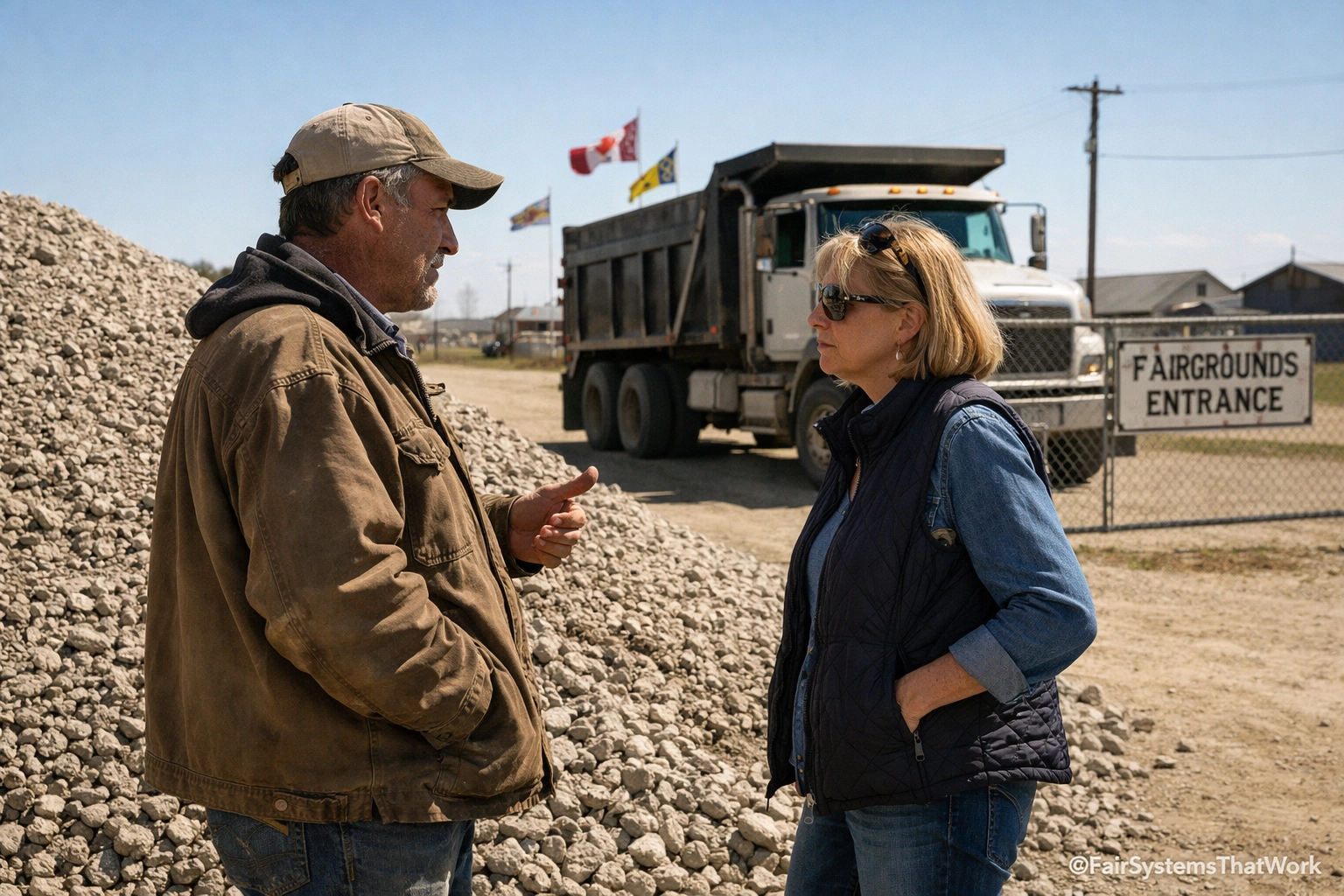
You’re sitting in the back room of the community hall. The smell of stale coffee and floor wax is thick in the air. On the agenda? Hiring a new contractor to gravel the fairground entrance before the big weekend.
Someone suggests "Gravel-Pit Graham."
Graham is the Vice President’s brother-in-law. He’s a "good guy." He always gives the Ag Society a deal. Everyone nods. No one asks for a second quote. No one suggests the Vice President should leave the room.
This is what I call The Handshake Loophole.
It feels like community. It feels like getting things done. But in reality, you’re walking a tightrope over a canyon of legal liability. When a conflict of interest isn't handled correctly, you aren't just being "neighborly." You're putting your entire organization at risk.
The Kinship Blindspot: Why "Being a Good Guy" Isn’t a Legal Defense
In a small town, everyone is related to someone. If you aren't related, you went to school together. If you didn't go to school together, you’ve been neighbors for thirty years.
This leads to The Kinship Blindspot.
It’s that internal voice that says, "We don't need a formal policy for this. We all trust each other." You think you're being efficient, but you're actually creating a vacuum where transparency goes to die.
When the local paper or a disgruntled member starts asking why the VP’s family is getting the fair’s money, "He’s a good guy" won't hold up in a grievance hearing. Legacy vs. Liability. You want a legacy of a great fair, but you’re building a liability that could sink the board.
The Table-Talk Bias and the Illusion of Impartiality
When a conflict arises, many board members fall into the trap of Table-Talk Bias.
This is the belief that you can sit at the table, participate in the discussion, and then simply "act impartially" when it’s time to vote. You tell yourself you’re being objective. You think you can separate your role as a Board Director from your role as Graham’s brother-in-law.
But here’s the truth: You can’t.
Your presence alone influences the room. When you stay in your seat during a discussion that affects your pocketbook (or your family’s), you are exerting pressure. It’s an unspoken weight. Other members might feel uncomfortable speaking against the proposal because you’re sitting right there, staring at them over your clipboard.
The Neighbour-Nod: The Danger of Dual Roles
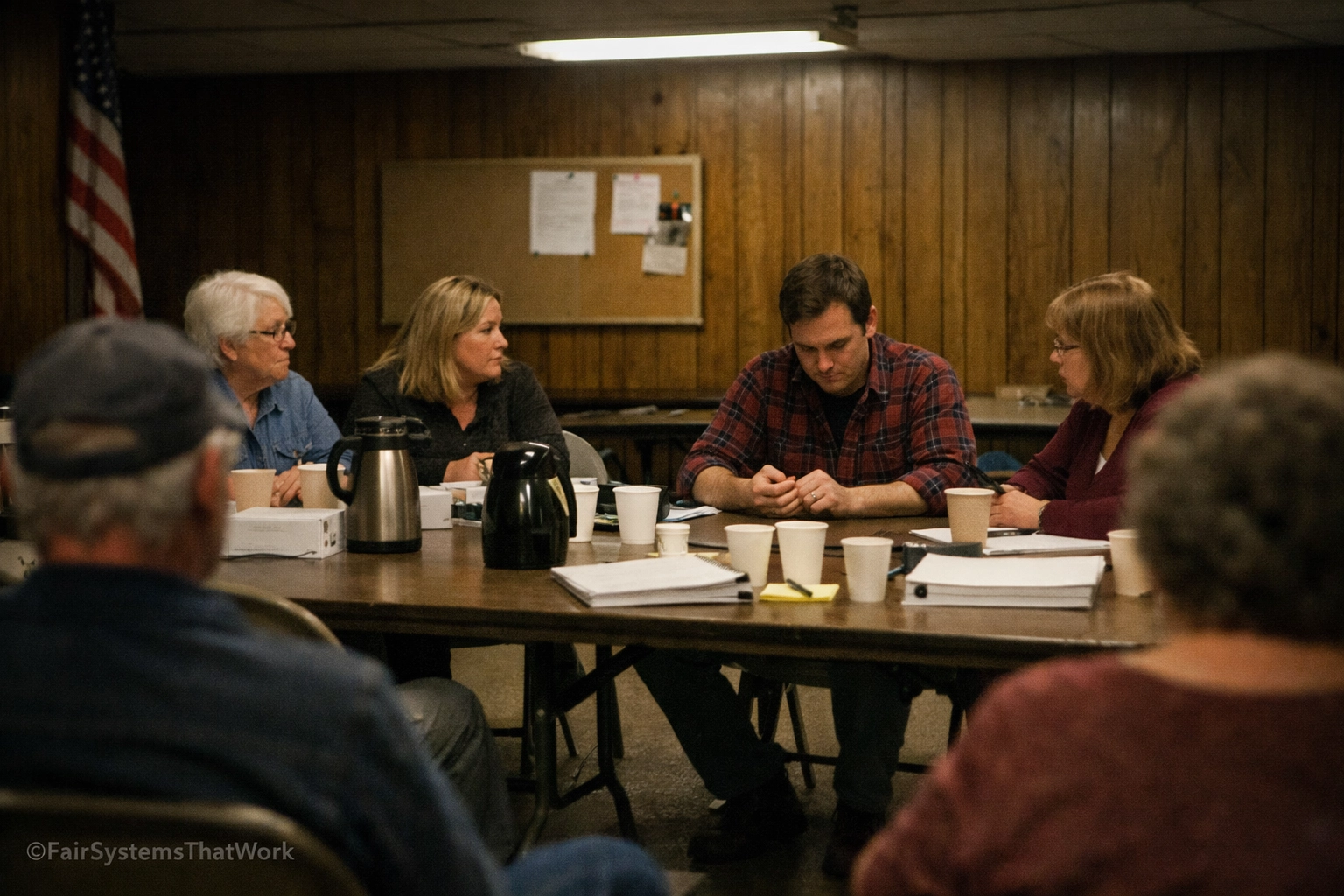
In our world, we see a lot of people wearing multiple hats. You’re on the Ag Society board, but you’re also on the Town Council. Or maybe you’re on the Zoning Board of Appeals.
This creates The Neighbor-Nod.
It’s that moment when you approve something at the Ag Society level, knowing full well you’ll be the one voting on it at the Council level next Tuesday. It feels like a "force multiplier" for the community, but it’s actually a recipe for a procedural nightmare.
When you serve on two boards that interact, you aren't twice as helpful. You’re twice as vulnerable. Conflicts aren't just about money; they are about duty. You cannot owe a duty of loyalty to two different organizations on the same issue.
Why "Acting Impartially" Is a Myth That Leads to Lawsuits
I see it every year. A board member says, "I have a conflict, but I can be fair, so I’ll stay and vote."
Stop right there.
In many jurisdictions, and certainly in the eyes of the public, the perception of a conflict is just as damaging as the conflict itself. If it looks like a backroom deal, the community will treat it like one.
When you refuse to recuse yourself, you are handing a megaphone to your critics. You are telling the community that the rules don't apply to the "inner circle." This erodes trust faster than a prairie windstorm.
Trust is your currency. Don't spend it on a gravel contract.
Escaping the Reporting Swamp
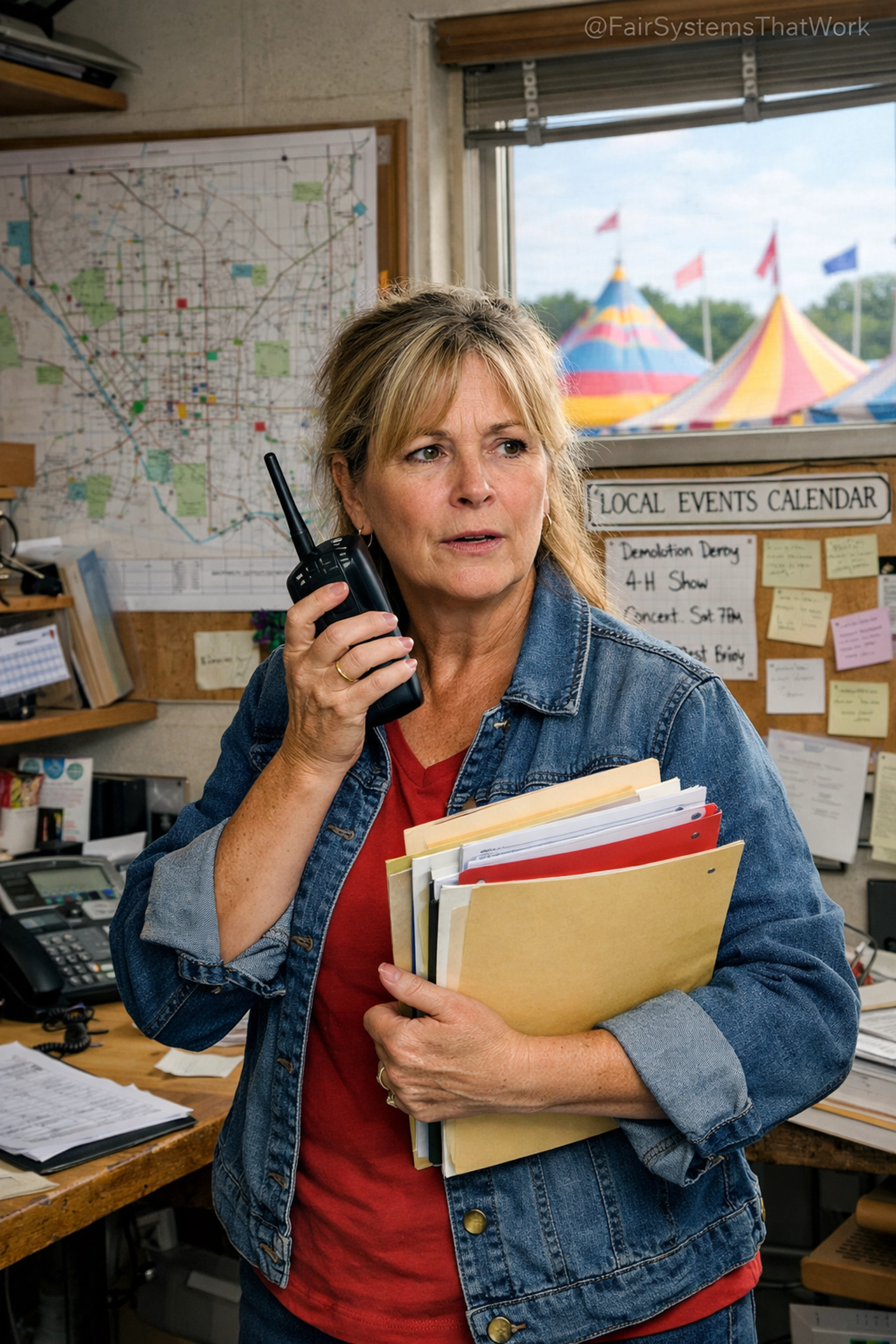
Many boards realize they have a problem, but they don't know how to fix it without making things "weird" at Sunday dinner. They end up in the Reporting Swamp, where conflicts are whispered about in the parking lot but never recorded in the minutes.
Wandering in the swamp looks like:
Vague meeting minutes that say "the board discussed the contract."
"Off the record" conversations that influence official votes.
Policies that live in a dusty binder no one has opened since 1994.
If it isn't in the minutes, it didn't happen. And if the minutes show a conflict that wasn't managed, you’ve just written a roadmap for a lawsuit. You need templates and toolkits that actually work for small-town realities, not corporate fluff.
The Conflict Shield: How to Protect Your Board
So, how do you handle this without losing your friends? You build a Conflict Shield.
It isn't about accusing people of being dishonest. It’s about building a system that makes honesty the only option.
The Disclosure Baseline: Every year, every board member signs a document listing their business interests and family connections. No exceptions.
The Empty Chair Policy: When a topic comes up that touches a member’s interest, they leave the room. Period. They don't just "stay quiet." They leave so the rest of the board can speak freely without the weight of their presence.
The Paper Trail: The minutes must reflect exactly who left, why they left, and when they returned.
Systemic integrity beats "good intentions" every single time.
When the Auditor Knocks: Negative Frames of Doing Nothing
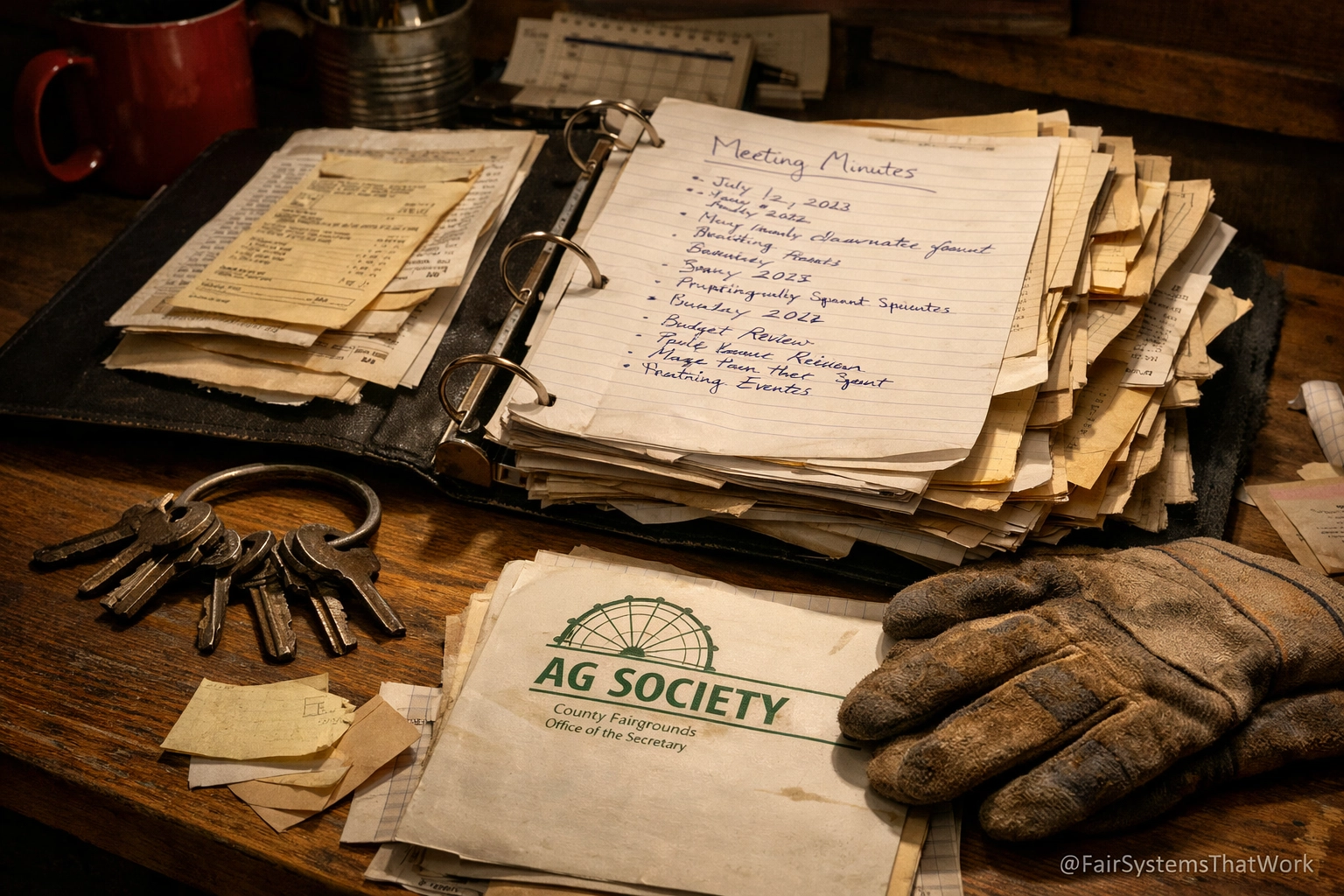
Imagine it’s three years from now. A new board member: someone who wasn't around for the "Handshake Loophole" days: starts asking questions. Or worse, an auditor from the province starts digging into your grant applications.
They see the payments to the VP’s brother-in-law. They see no other quotes. They see the VP was present for the vote.
The result?
Loss of charitable status.
Funding being pulled.
Personal liability for board members.
A reputation that is permanently stained.
The risk of "making it weird" at a meeting is nothing compared to the risk of losing your fair entirely. Legacy vs. Liability. Which one are you choosing today?
Moving Toward Fair Systems That Work
Governance doesn't have to be a headache. It just needs to be intentional. When you stop relying on the "Small-Town Pass" and start using real systems, everyone breathes easier.
The VP doesn't have to feel awkward because the system says he has to leave the room. It isn't personal; it’s just how we do business.
If your board is struggling to navigate these waters, you aren't alone. Most Ag Societies are held together by a handful of people and a lot of tradition. But tradition won't protect you in court.
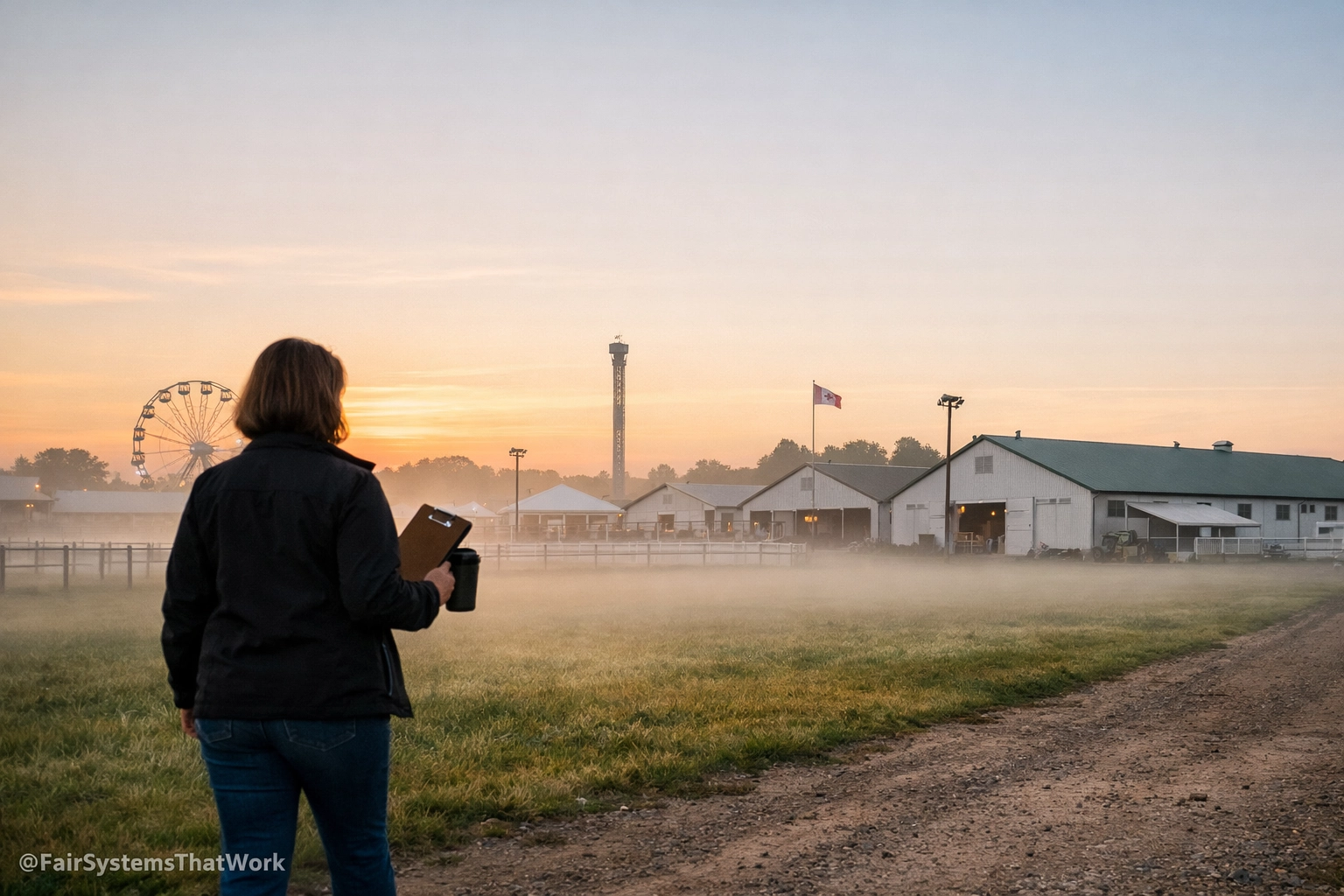
Real tools. Real structure. No fluff.
If you’re ready to move past the "Handshake Loophole" and build a board that is actually protected, let's talk. You can check out our speaking and training options to get your whole team on the same page.
Or, if you just need to talk through a specific situation that feels a little too close for comfort, Contact Us. We’ve been in the trenches. We know the mess. And we know how to clean it up.
Don't wait for a crisis to fix your governance.
When the fair gates open, you want to be thinking about the crowds and the exhibits: not worrying about whether a paper trail is going to trip you up. Build the system now so you can enjoy the results later.
That works. Until it doesn’t. Let’s make sure it works forever.
Comments